opening
the lede
Malta is not struggling to attract tourists.
Malta is outgrowing its current tourism model.
from the consolidated strategic brief, part one.

the volume game has ended.
the substance game has begun.
In April 2025 the government repositioned tourism explicitly around quality rather than volume. The 2035 headline of 4.5 million visitors will be reached during 2026, nine years ahead of schedule. The question is no longer how to grow. It is how to carry what has already arrived, and how to earn more from every night it stays.

the question is yield, not volume.
Three figures frame the rest of the argument. The first is a volume already reached. The second is the uplift Vision 2050 asks for. The third is a duration already, quietly, contracting.
Inbound tourists recorded in 2025. Up 12.9 per cent year on year. The figure the previous framework had projected for 2035 is effectively the figure Malta has today.
The per-night expenditure uplift Vision 2050 asks for. From €153 to between €220 and €230. Several hundred million euros of additional annual revenue, earned without a single new arrival.
The average stay today. Down from 6.8 in 2023. The six-night stay is no longer a secure baseline. It is already, quietly, contracting.
the diagnosis
Malta is strong on the reasons a visitor chooses the island in the first place. It is weaker on the reasons a six-night stay feels full from day three onward. Arrival drivers put Malta on a consideration list. Stay extenders are what carry the shoulder months, and they are what allow a six-night visit to earn the price tag of a higher-value traveller.
transition landscape

the concept
beyond the surface.
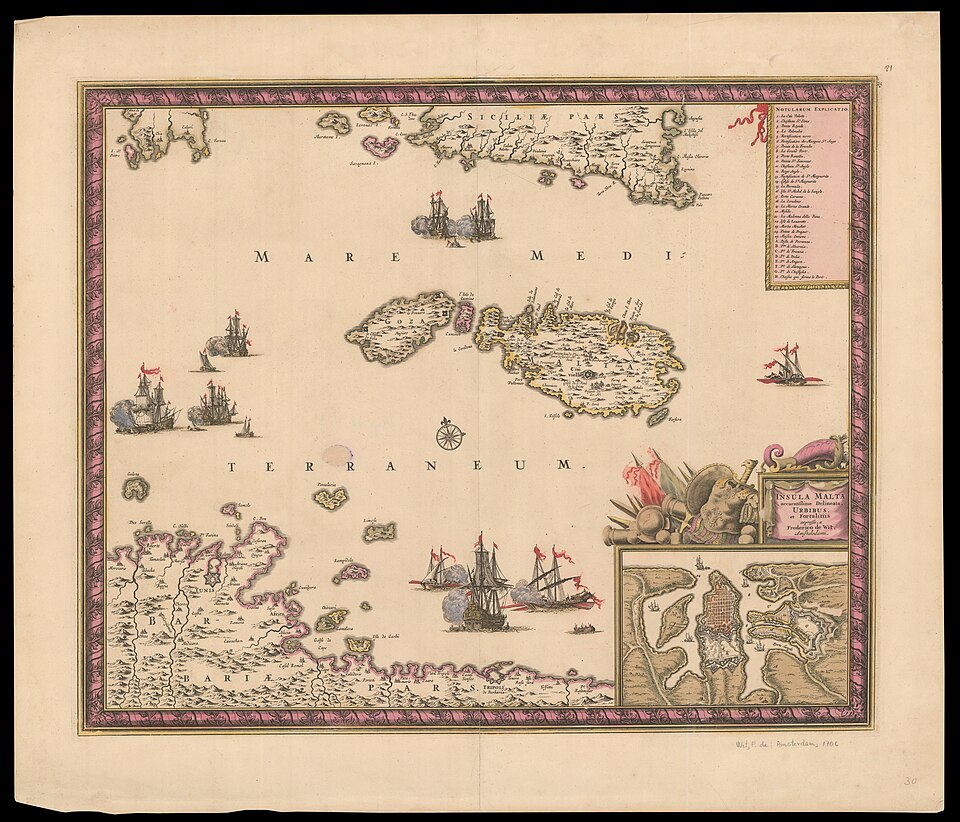
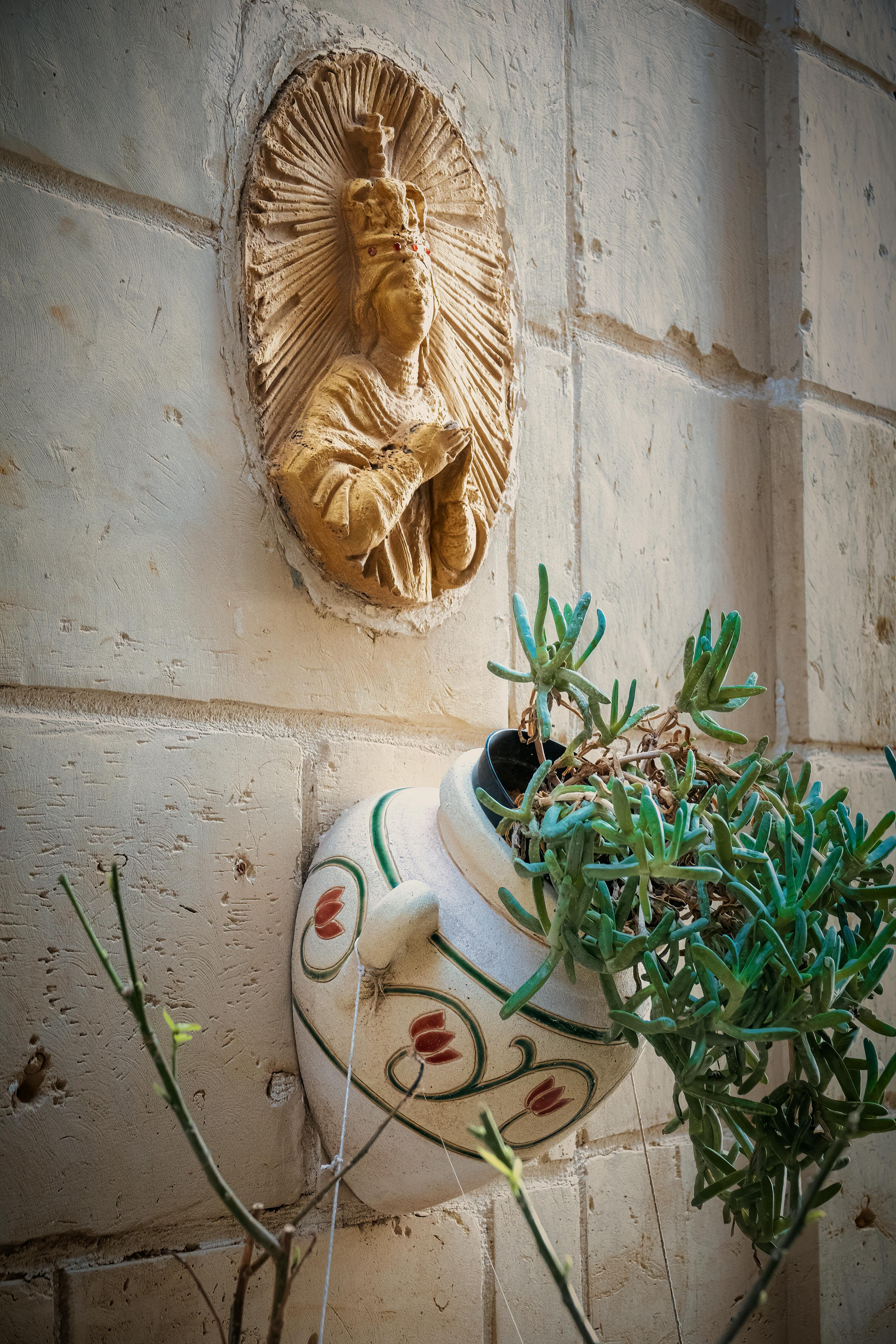
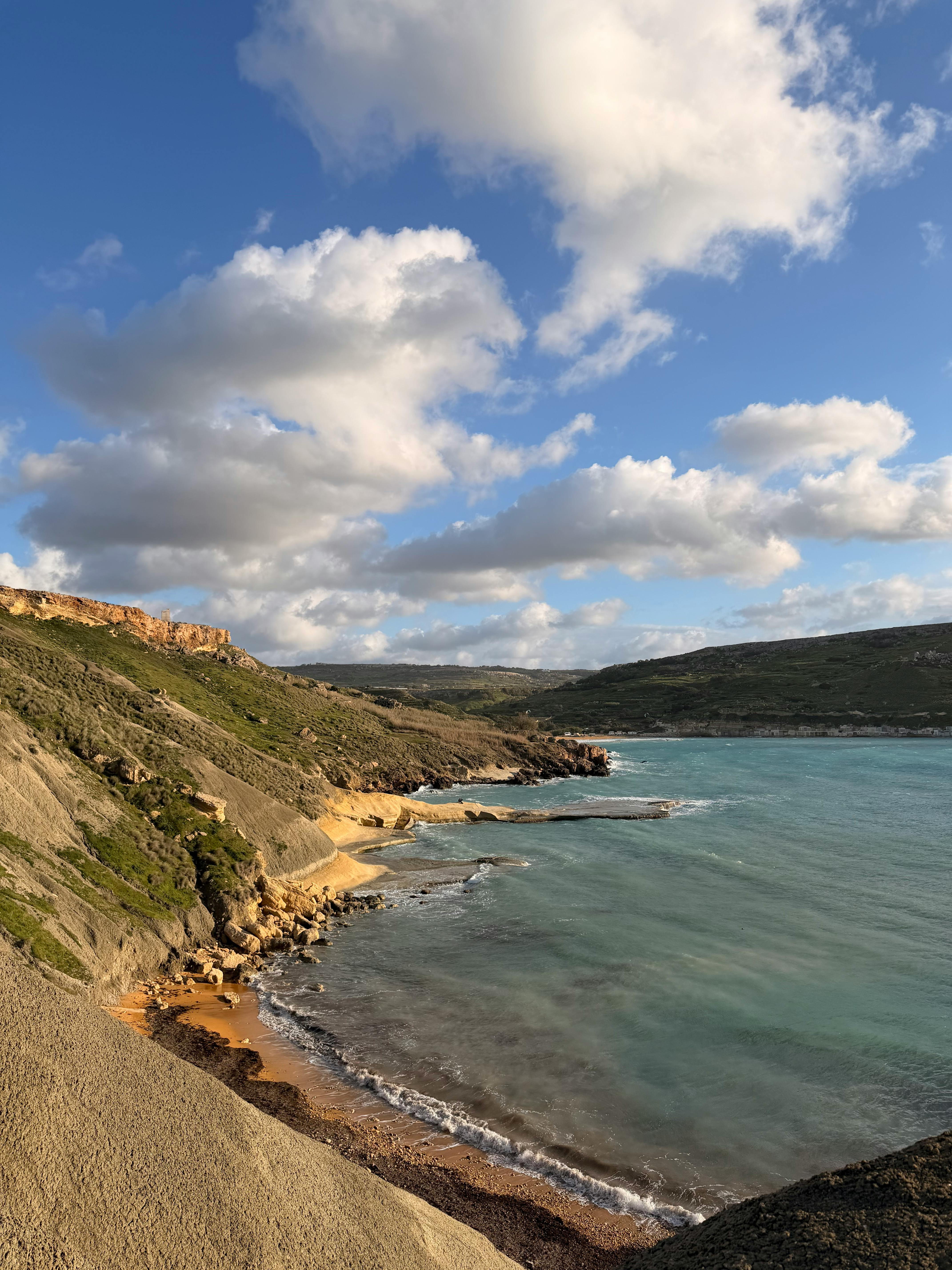
Not an alternative to the policy. The physical answer to it.
The framework accepts the policy direction as correct and proposes what must physically exist for the yield target to be earned. Vision 2050 is the policy. Malta Beyond the Surface is how the policy becomes architecture, landscape, and street.
six roles must be filled if the stay is to feel continuously worth having.
A tourism system, not a portfolio of buildings. Each role may be held by more than one project; each project earns its place by the role it plays. Together the six describe the continuous architecture of a six-night stay.
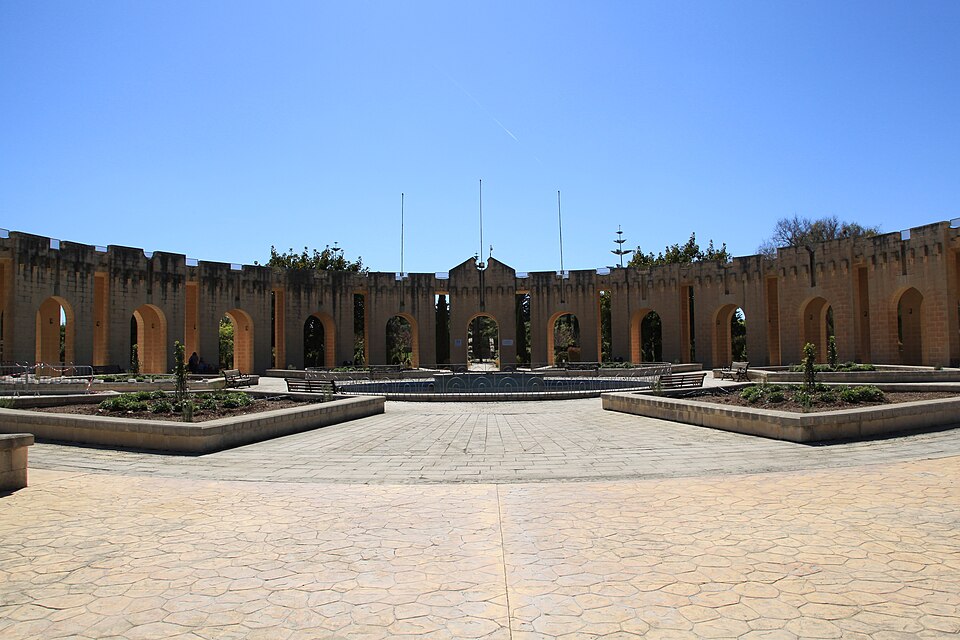
All-weather daytime demand for families and mixed audiences. Protects the trip when the obvious sites have been seen.
High-value shoulder-season cultural engagement for the traveller who came for substance rather than for spectacle.
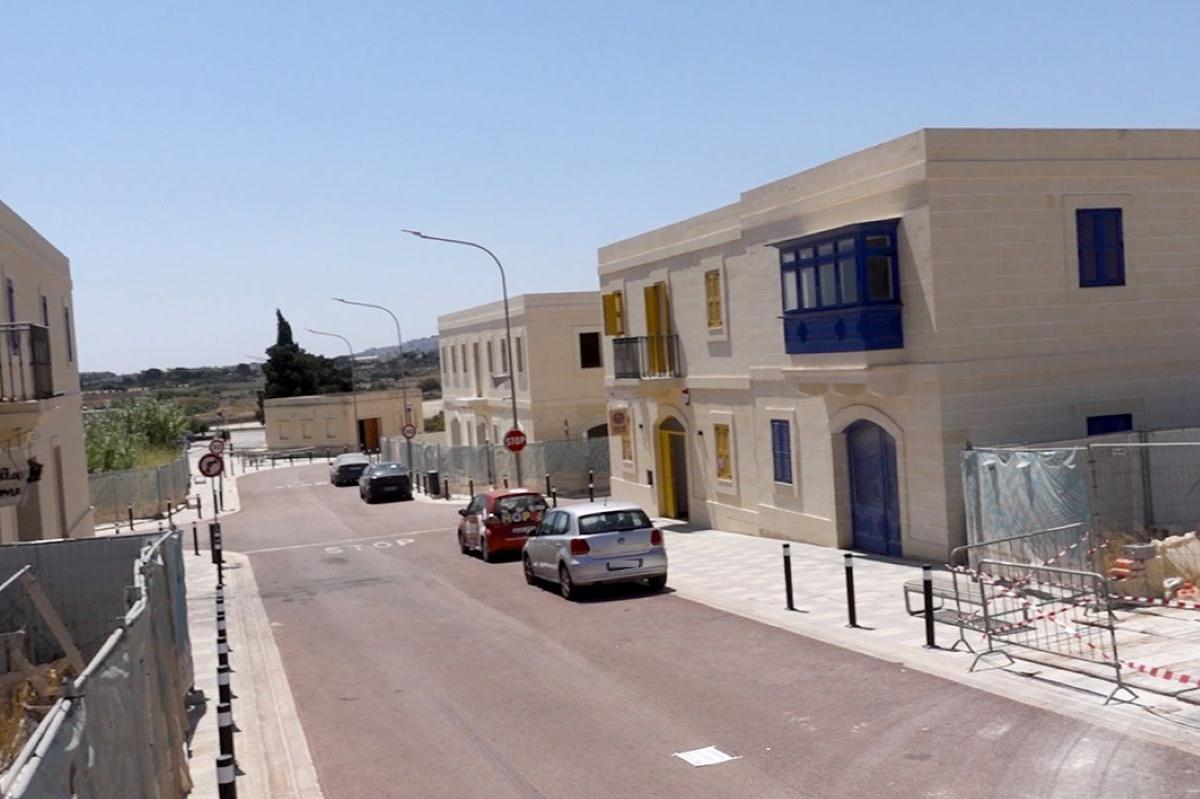
Serves several audiences inside one cluster: families, locals, the culturally curious, without losing clarity.
Shoulder-season, high-value, restorative travel. The calendar's most valuable quiet visitor.
Strengthens evenings and final nights, the part of the stay most likely to feel accidental today.
Protects the stay when the sky turns. The structural ballast of a shoulder-season strategy.
the slow-culture traveller.
Well-travelled, quality-led, often mature, often shoulder-season. Travels for architecture, atmosphere, landscape, and storytelling rather than for heat. Rewards design-led hospitality and immersive cultural institutions. Lifts yield immediately.
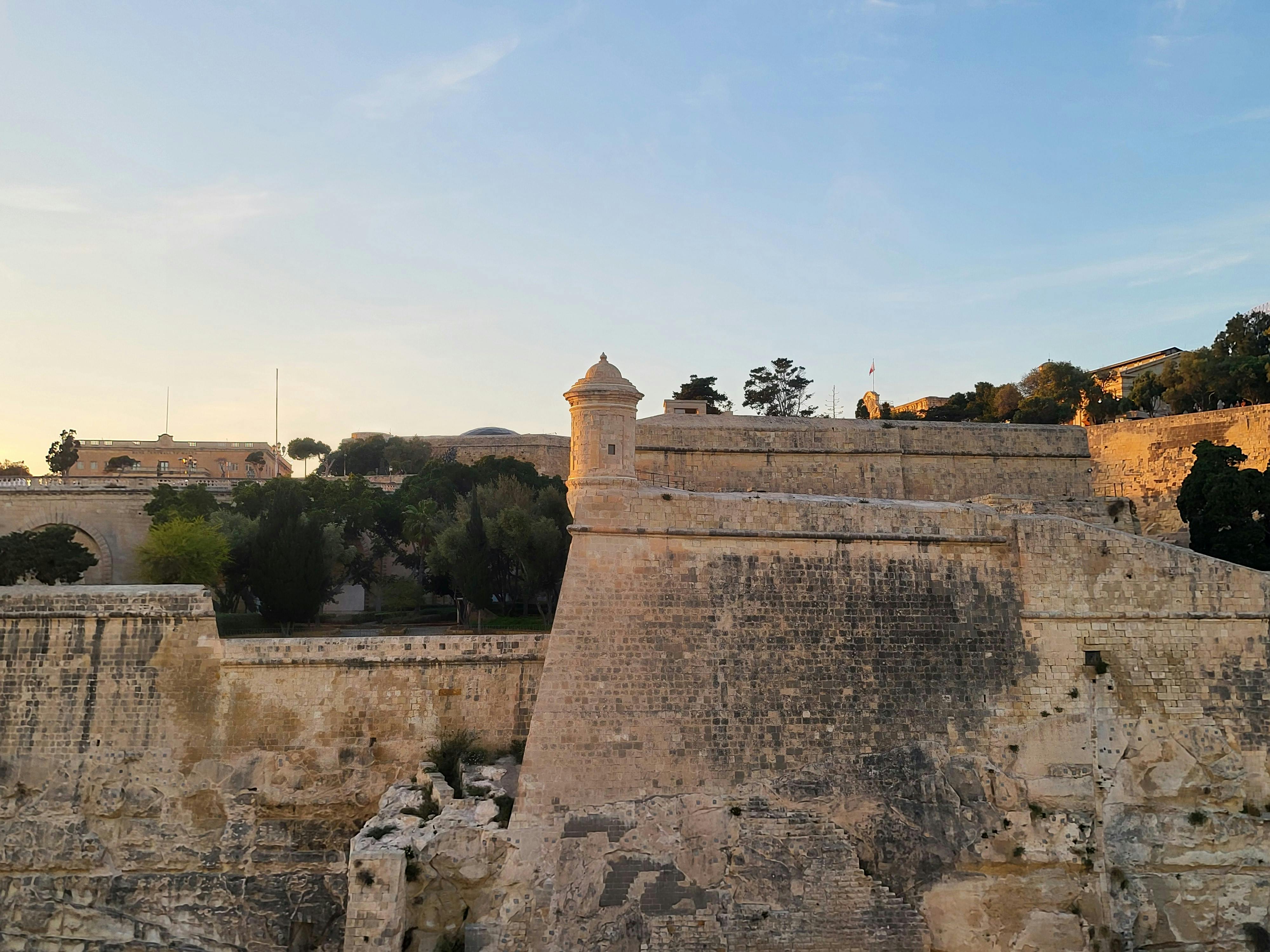
the family enrichment traveller.
Families who want more than a cheap break, who value safety, layered activity, educational content, and indoor-outdoor flexibility. Weather-conservative and logistics-conservative. Exposed, above all, to the continuity gap.
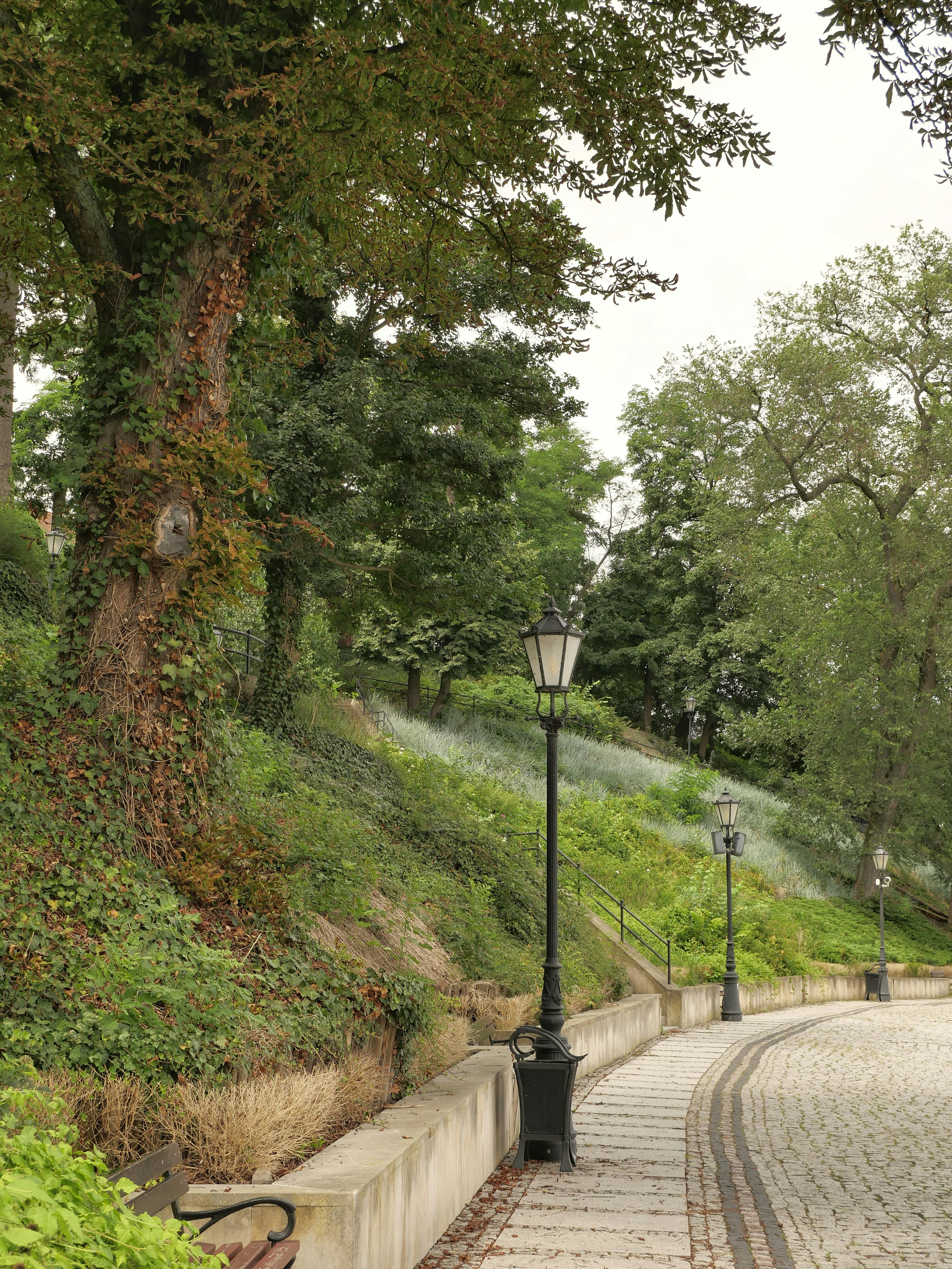
the restoration traveller.
Visitors who deliberately avoid peak-season chaos and choose destinations for retreat, health, slow landscape, and quiet luxury. Among the most strategically valuable shoulder-season visitors, because they prefer the quieter months by definition.
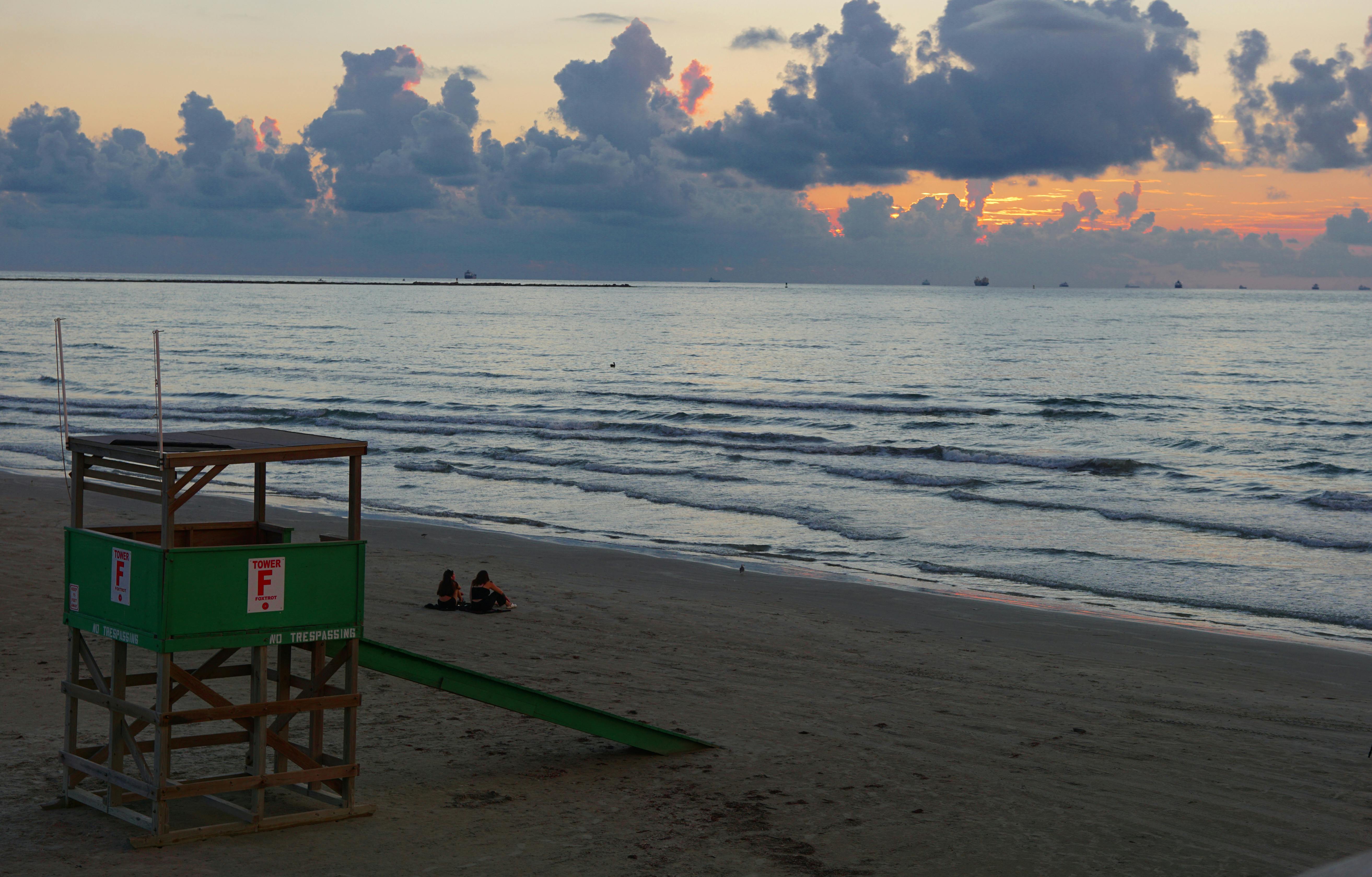
the urban lifestyle traveller.
Visitors who choose destinations for atmosphere, dining, performance, architecture, and social life with design quality rather than party volume. They matter because weak nights weaken the entire stay.

the crossover traveller.
Visitors who do not travel for one reason but several. Culture in the morning, craft in the afternoon, family activity after lunch, a considered dinner at night. Proof that the masterplan must operate as one system rather than as isolated silos.
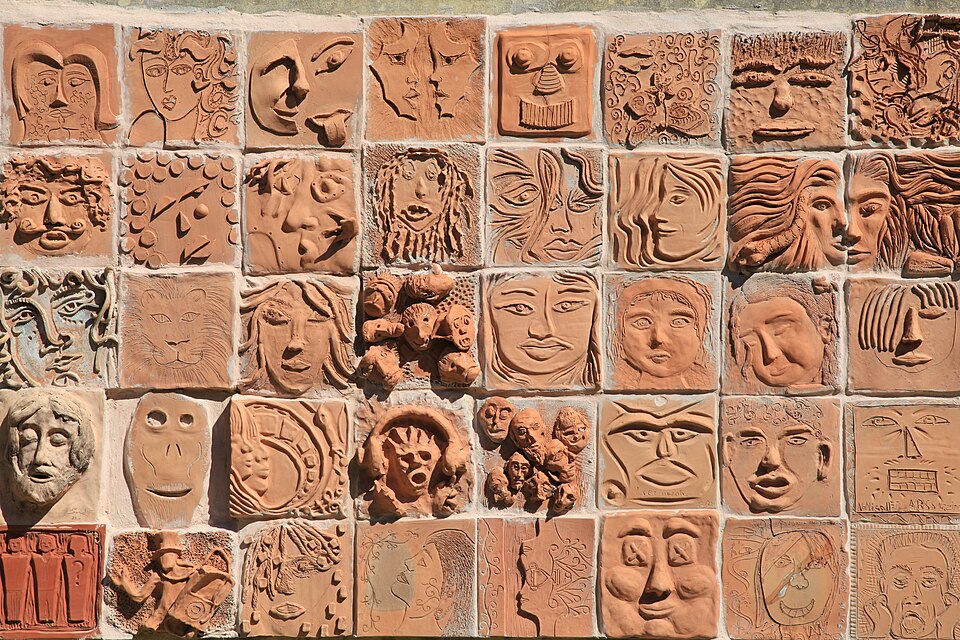
the stay as a score.
six nights, six kinds of attention.
The objective is not to push the average upward through marketing. It is to make those six nights feel continuously worth having, so that the average holds, rises, and earns the yield uplift Vision 2050 describes.
the difference between a tourism product and a considered stay. also, quietly, the difference between €153 a night and €220.
transition instruments
six strategic instruments.
Each has been developed to the point where it can carry the argument. Each fills a distinct role in the system. Presented here as the instruments of the argument — what each is, what it solves, what it contributes to the wider stay.
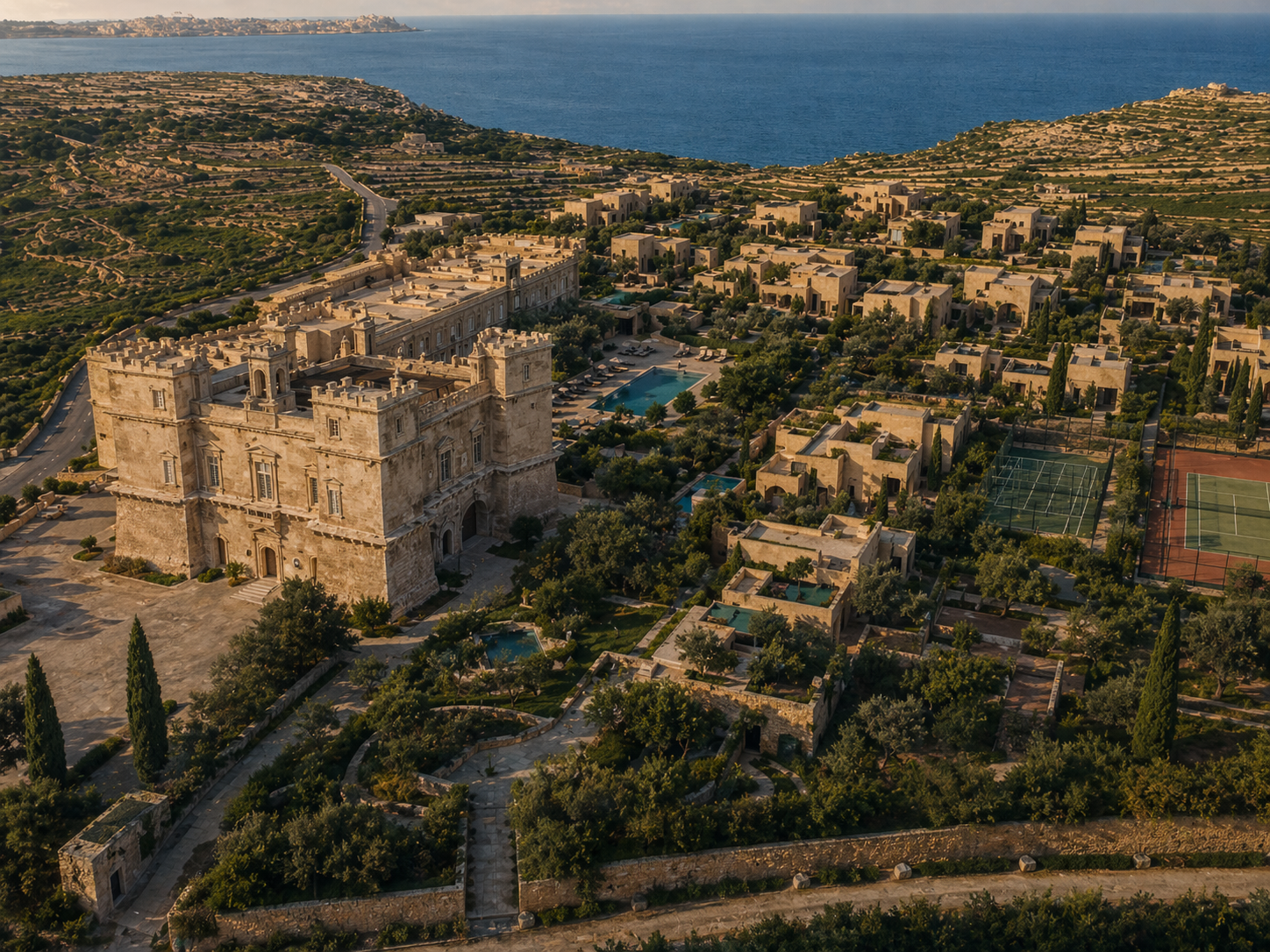
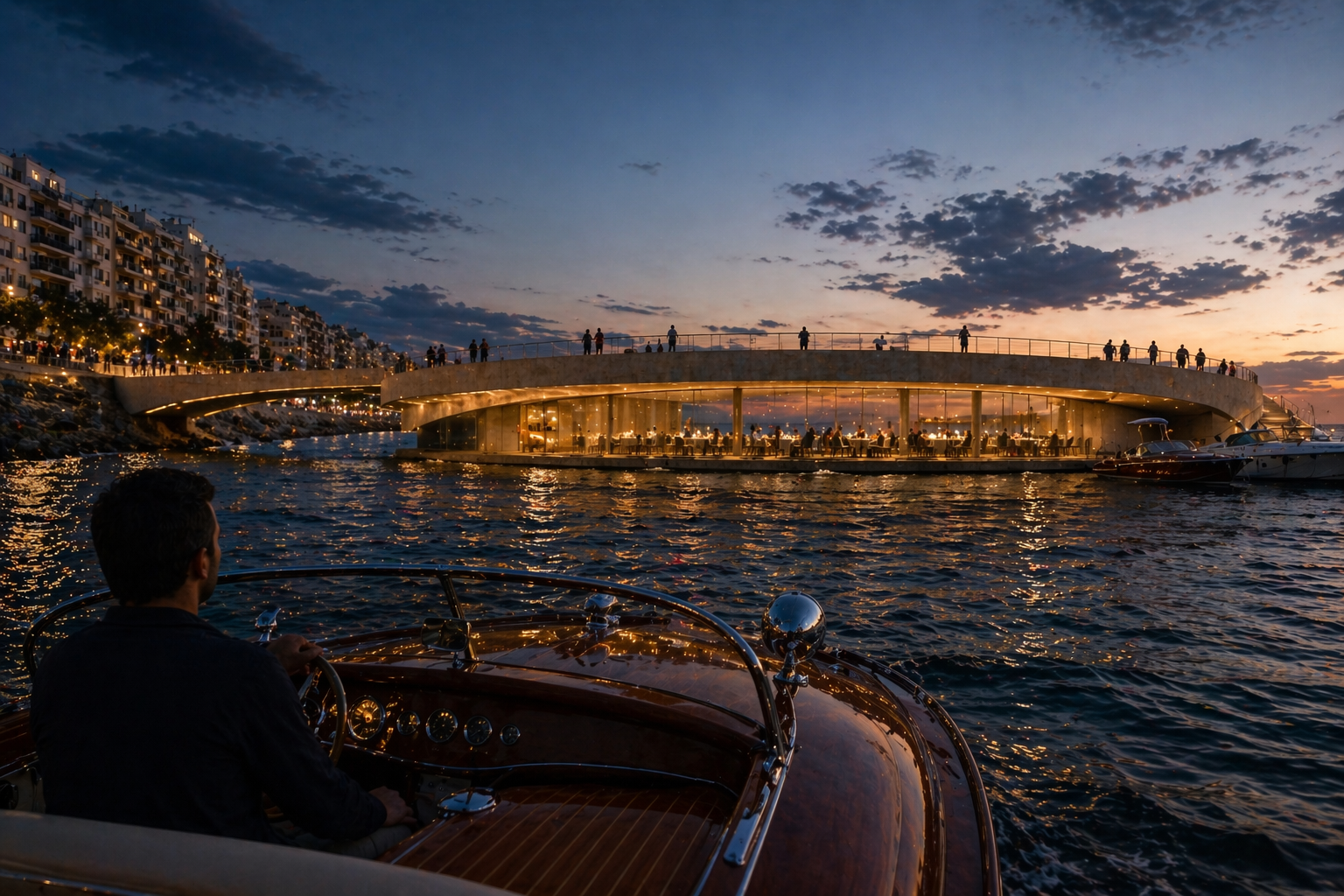
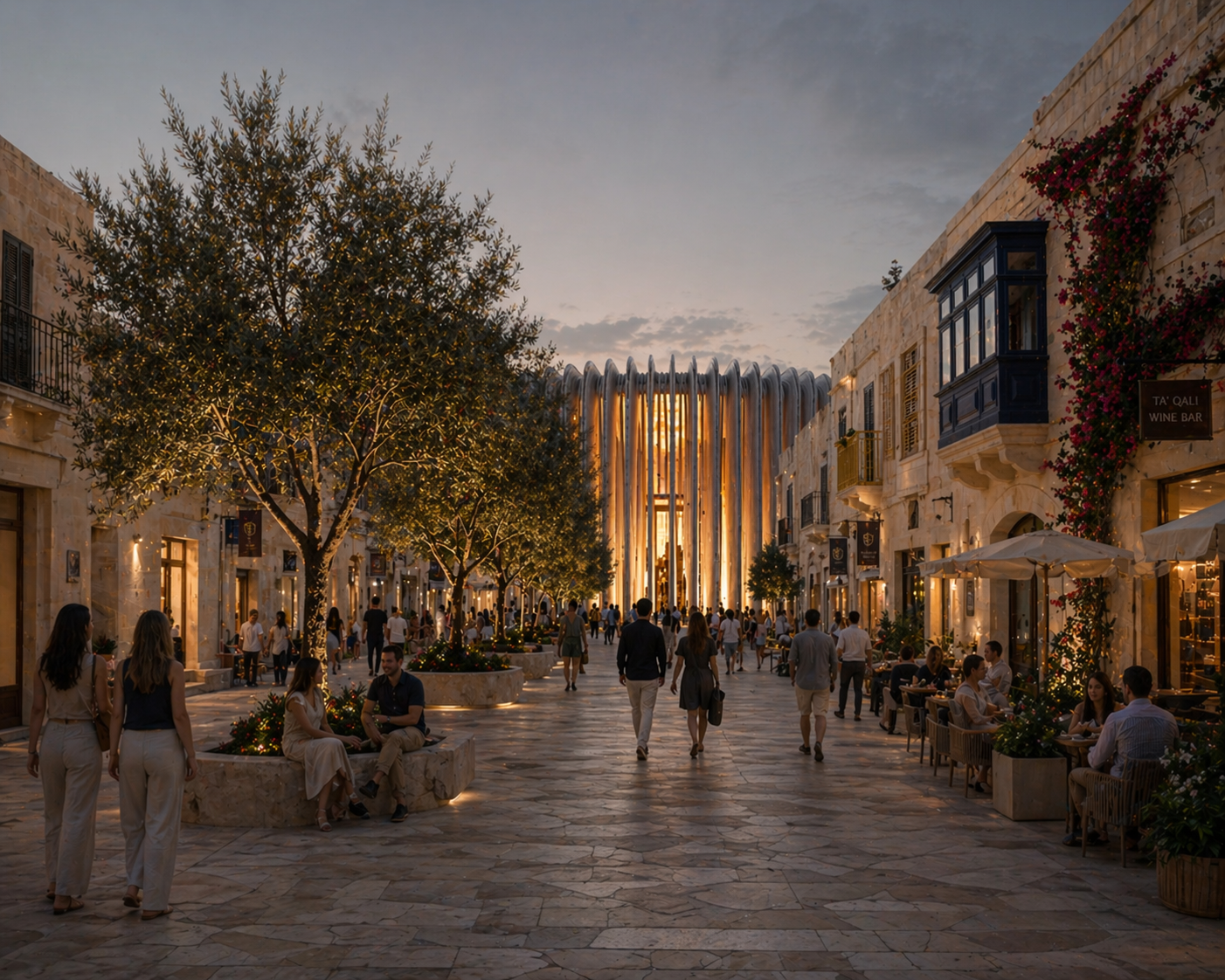
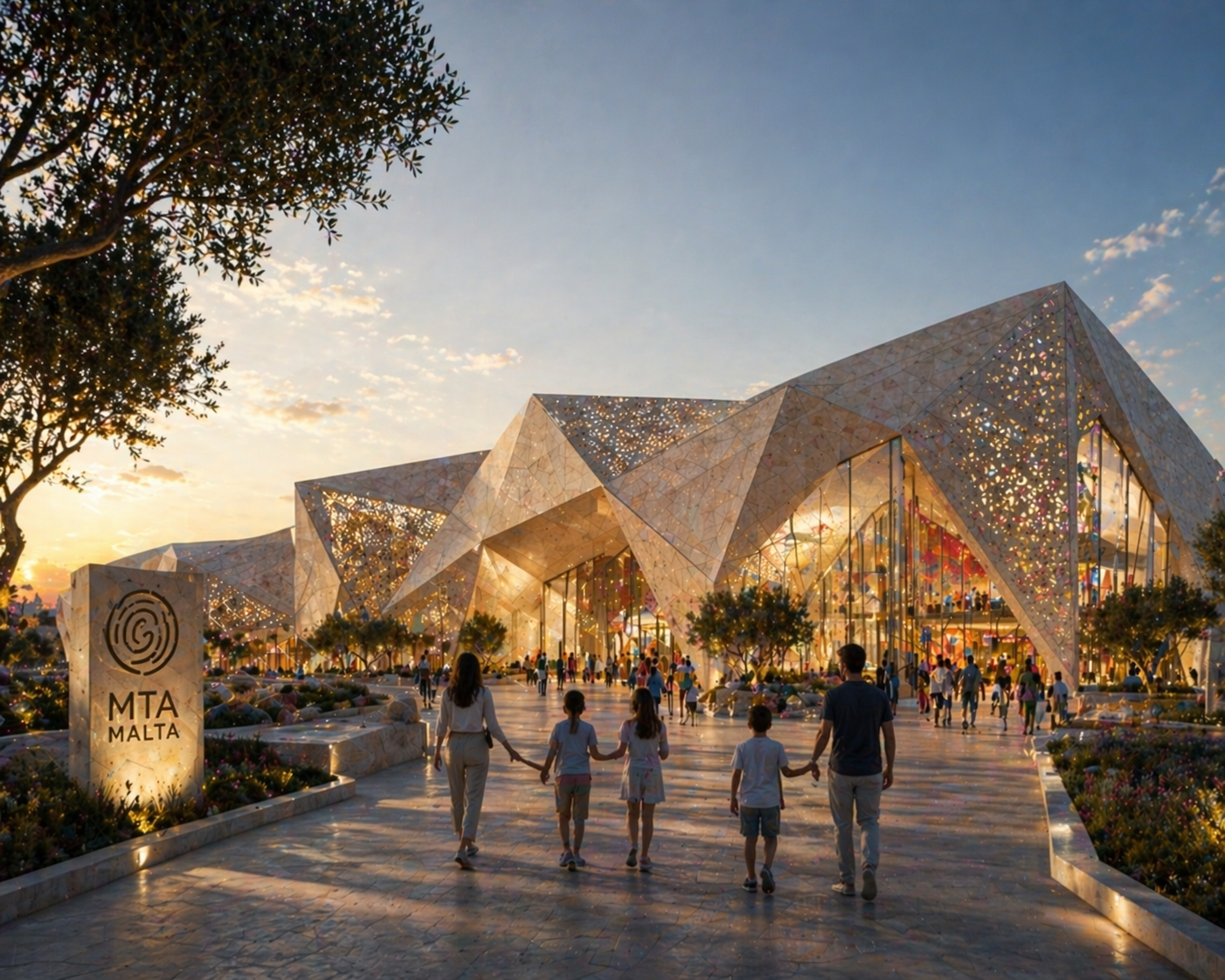
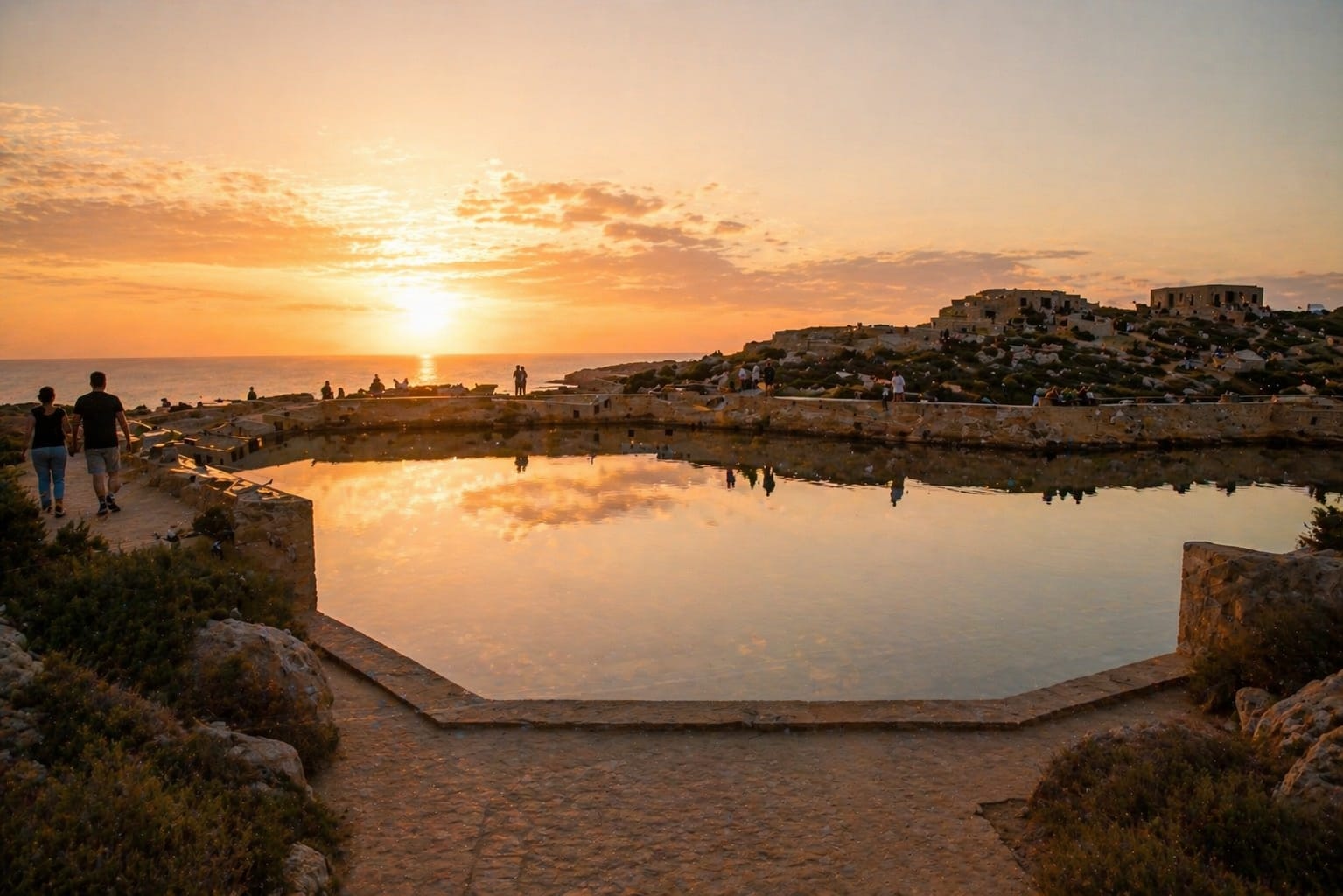
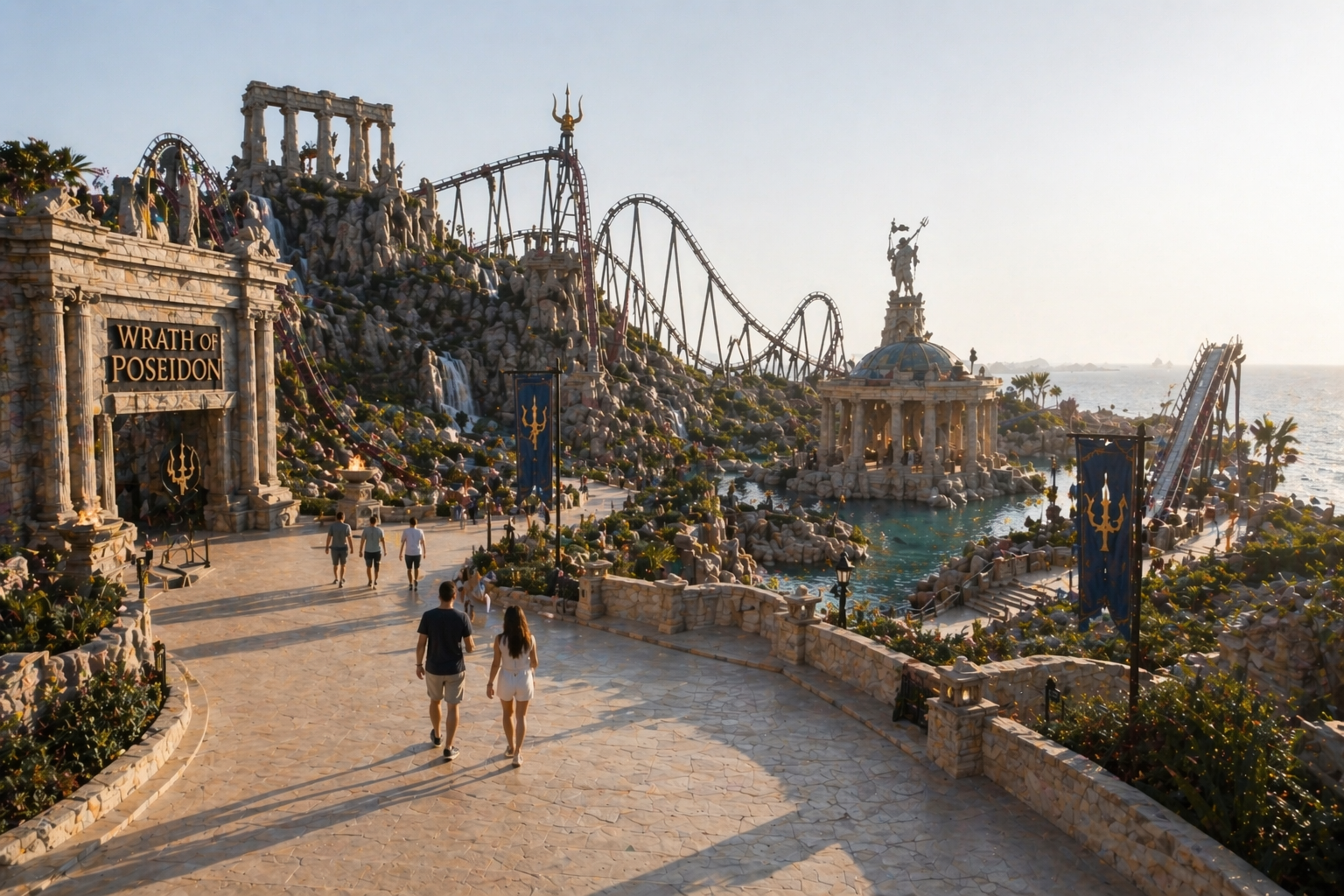
selmun palace.
An eighteenth-century Baroque villa on the Selmun peninsula, held at the centre of a composed hospitality landscape. Quiet luxury, not resort volume. The framework's proof point for heritage reuse done ambitiously, without being promotional.
enter the project —
the chalet.
Not a reconstruction of the 1926 building. A reactivation of what the site once meant, in the vocabulary of today. By day a promenade magnet. By night the destination atmosphere the evening economy currently lacks at the quality end of the market.
enter the project —ta' qali crafts village.
A former RAF airfield converted into a walkable cultural environment. Glass, ceramics, filigree, metalwork, visible as live process. Market energy and festa atmosphere rather than rows of workshops. The framework's authenticity argument.
enter the project —
ta' qali national park.
A generous, central, programmed landscape — a structural rarity in Malta. Selective architectural insertion gives it recognisability and pull. A major family, public, and event platform broadening the system beyond elite tourism.
enter the project —fort campbell.
A 1937–38 coastal fortification in ruin above a raw landscape. Not restored into a museum, not left to erode. A selective, contemplative activation where the ruin stays itself while becoming inhabitable again. Atmosphere over clutter, ritual over interpretation.
enter the project —
splash and fun.
An existing brand pushed beyond the seasonal water-park model into a themed leisure world with a narrative layer and mixed indoor-outdoor space. Family-facing without being cheap. The clearest demonstration of the principle: attractions that do not collapse the second the sky changes.
enter the project —five projects the framework is designed to absorb.
Conceptualised in part, or identified as strategically necessary. Named briefly, with the role each is expected to play as the masterplan matures through subsequent waves.

malta, in ink.
the framework is not a series of buildings laid against a map. it is a system of roles, read across an island. click a marker to enter the project.
the six catalyst projects, on the island they are drawn from.
closing
a stronger sequence of
reasons to stay.