opening
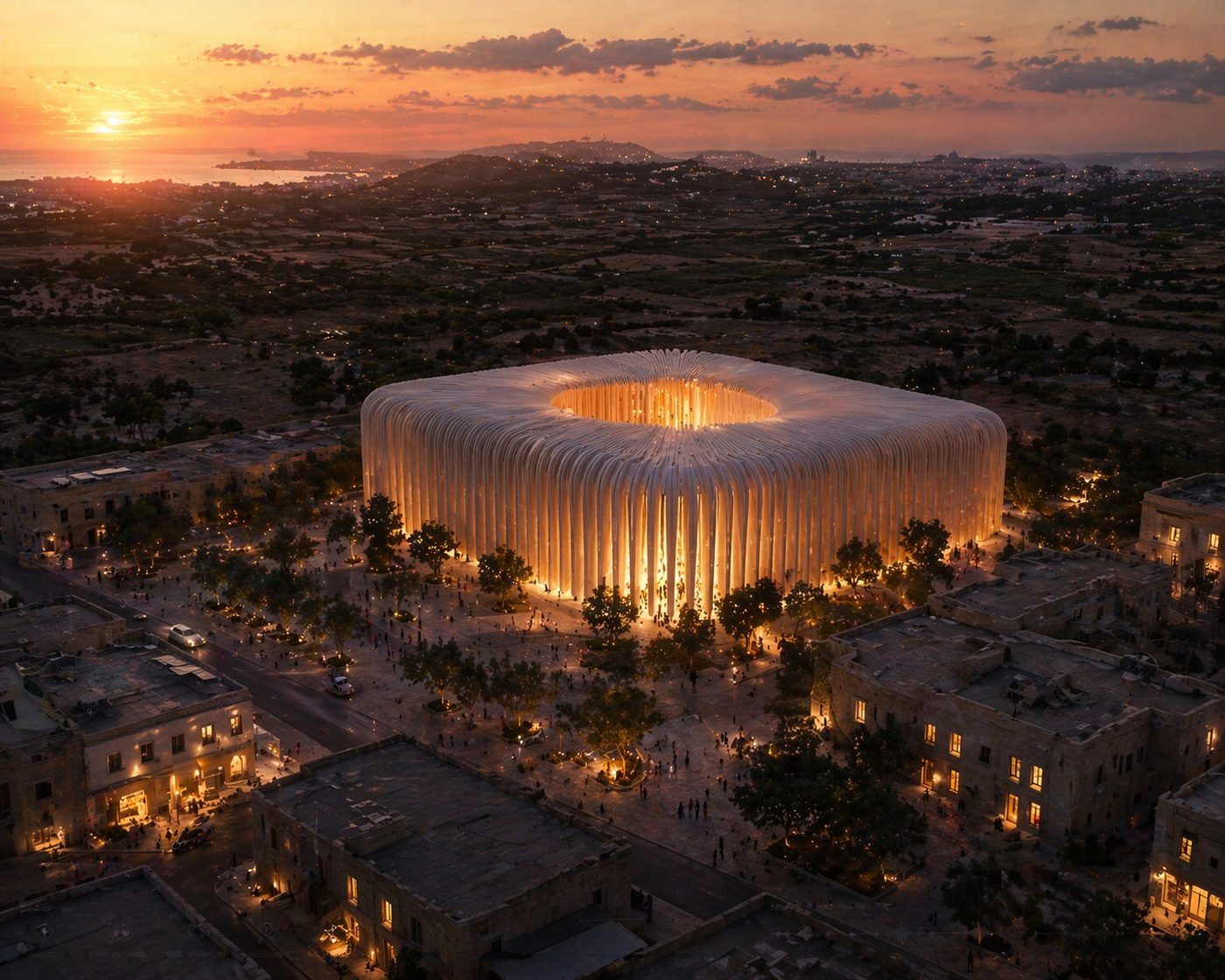
the lede
The past of malta and the future of malta,
held in one place. The present moves through it.
from the ta' qali concept brief, the central proposition.
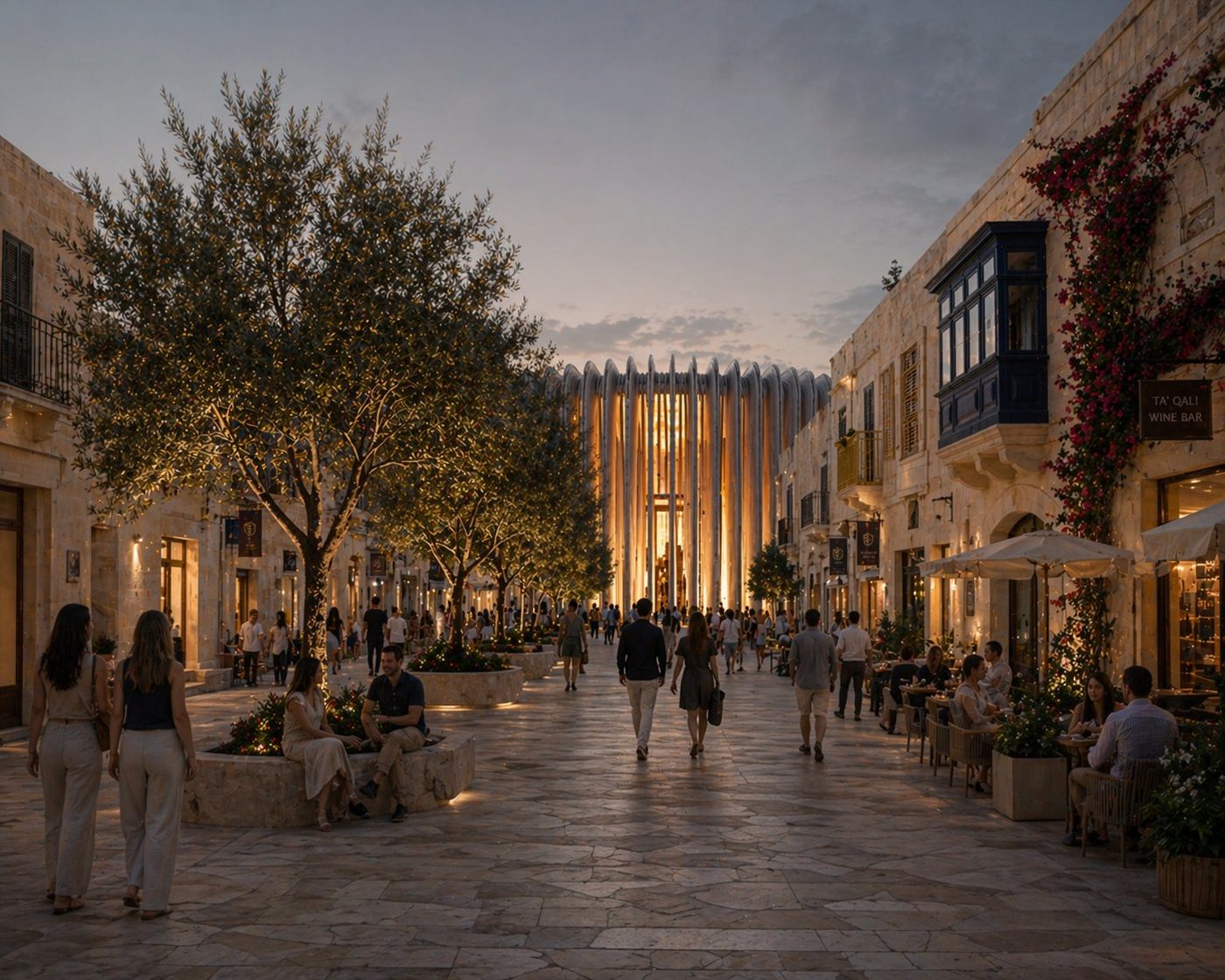
plate · the cultural anchor
a tightrope walker
who became malta's eye.
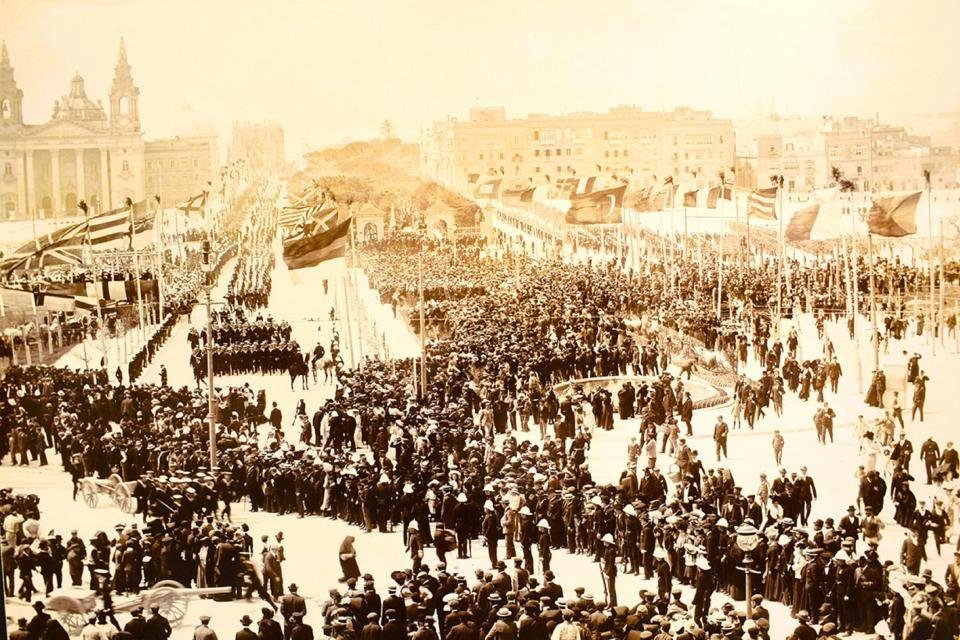
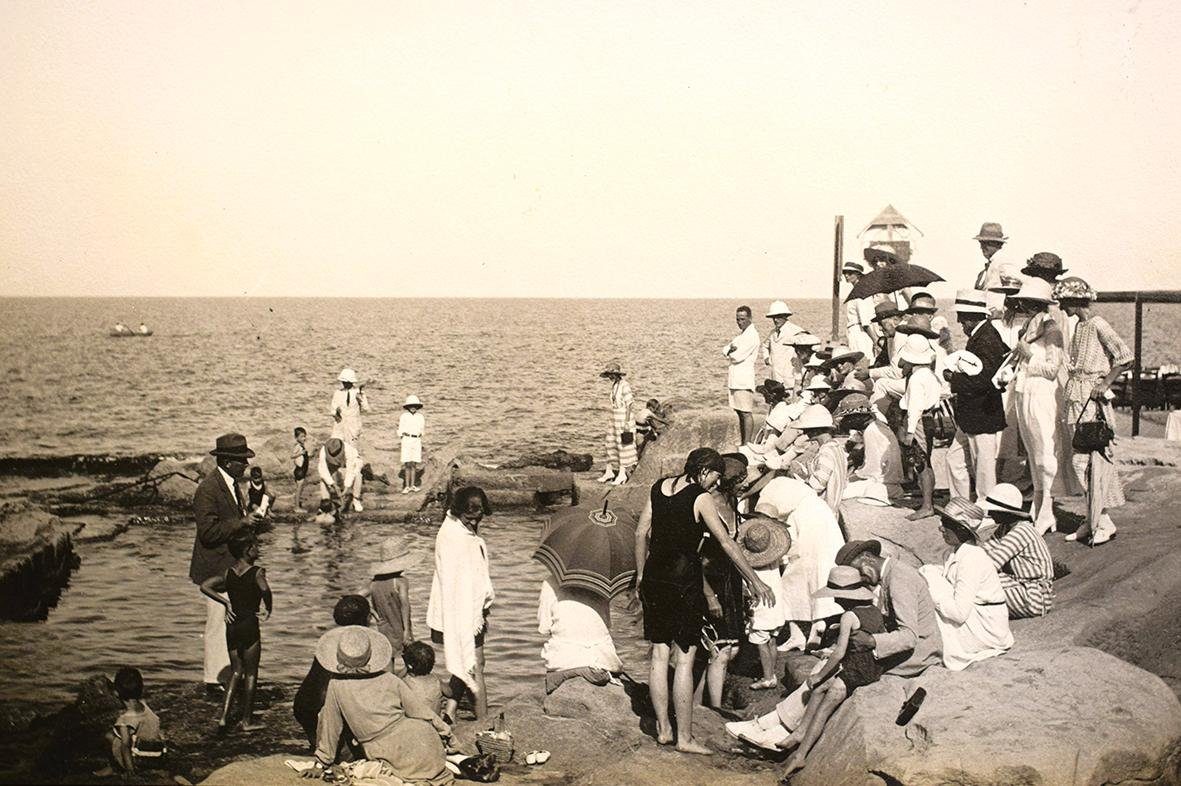
Richard ellis arrived in malta in 1861 as a circus performer, aged nineteen. By 1871 he had opened his own photographic studio at 43 strada stretta, valletta. Over the next sixty years he produced an archive of between thirty-six and forty-five thousand photographs of the country, its people, its harbours, its streets, its weather. He photographed kings and fishermen with the same instrument. He died in malta in 1924 and is buried at the addolorata cemetery. His descendants still hold the archive. The family's stated wish, on record, is for a photography museum in malta. Ta' qali makes that wish architecture.
the diagnosis
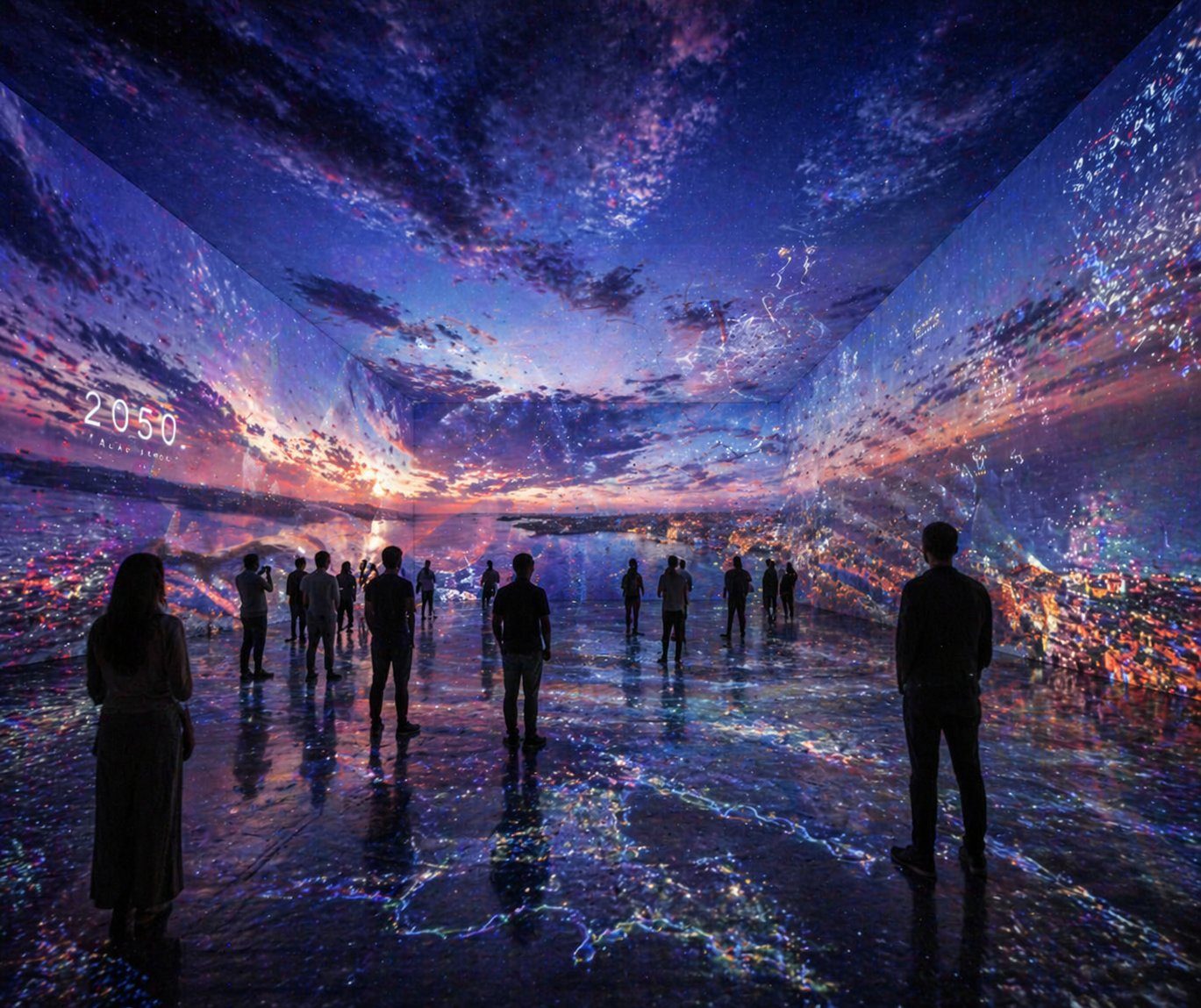
The past of malta is held in the ellis archive: forty thousand photographs that already exist, currently dispersed. The future of malta is held in the envision 2050 installation: a faceted mirror sculpture, the country's vision in physical form. Both are real. Both are maltese. Ta' qali holds them under one roof, and lets the streets between them carry the present.
plate · the ellis room
transition · landscape
the concept
in time.
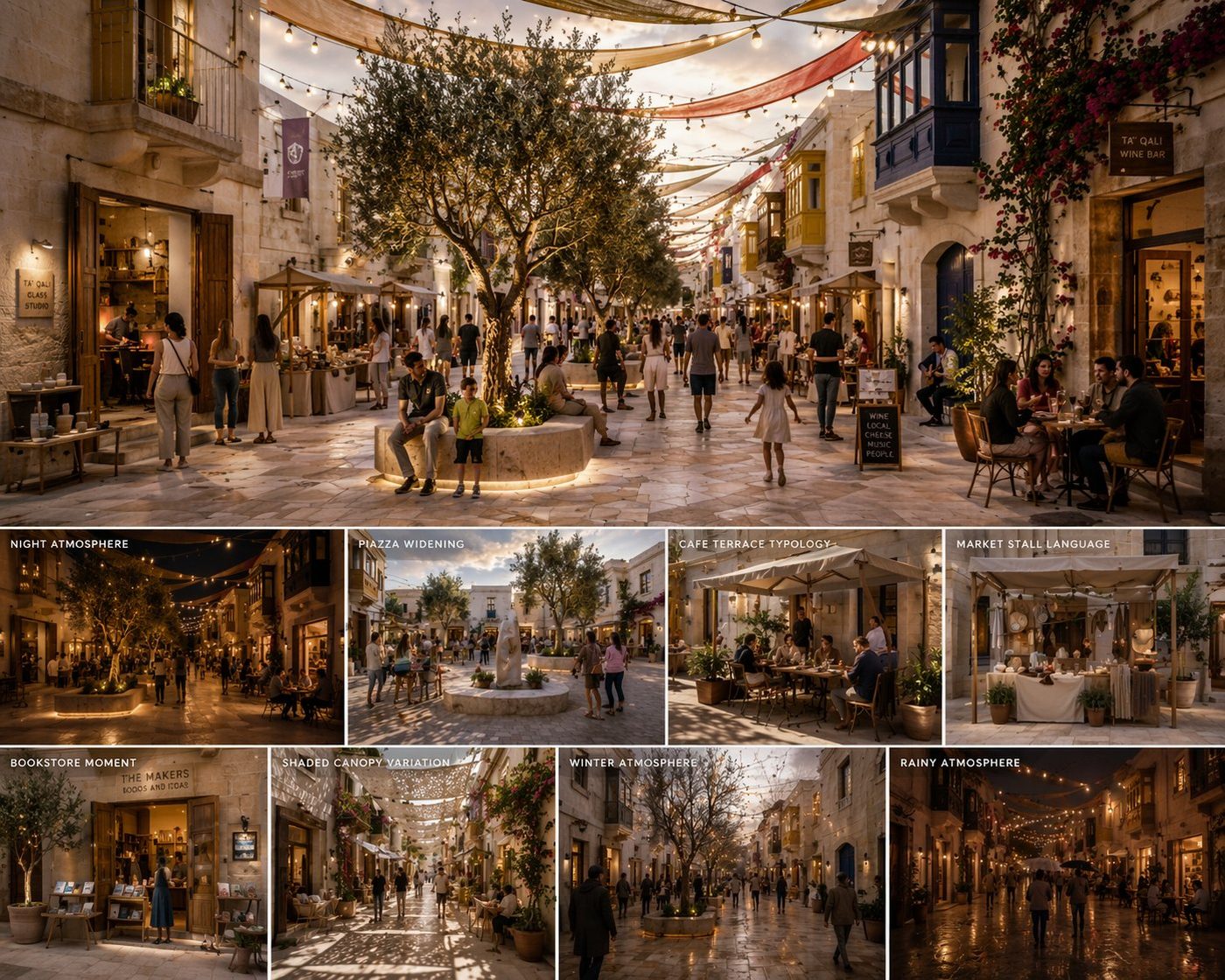
Not a tourism attraction with a museum attached. A national cultural institution with a public village around it.
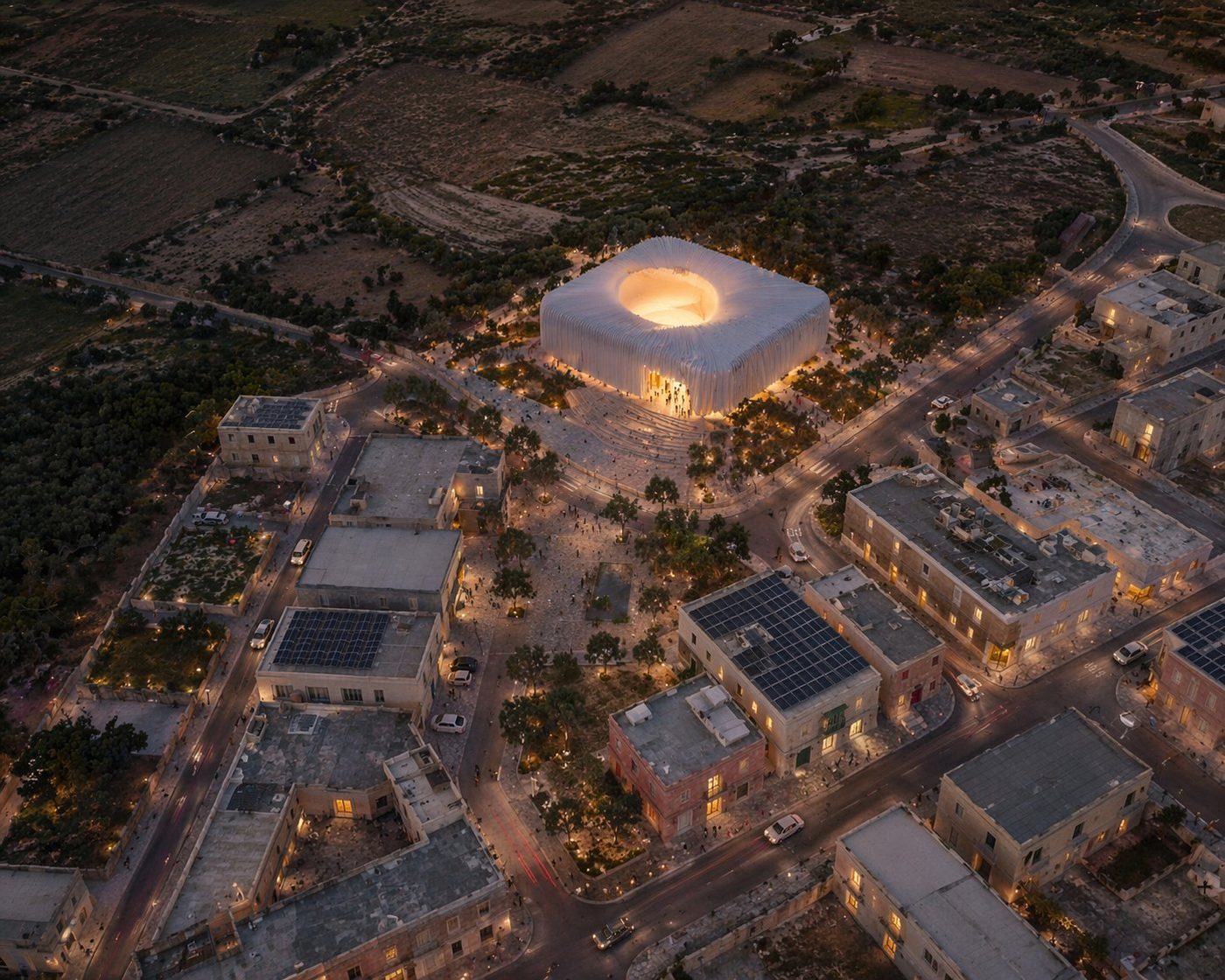
The cultural anchor holds past and future inside one luminous form. The streets between the building and the village edge hold the present. Past, present and future stop being separate categories and become one continuous spatial argument. The visitor walks through the country in time, not through a list of attractions.
plate · the future hall
six elements hold the institution together.
Two rooms inside the cultural anchor hold the past. Two more hold the threshold and the future. Two more hold the present in the streets and the makers' economy. One institution working across three temporal registers.
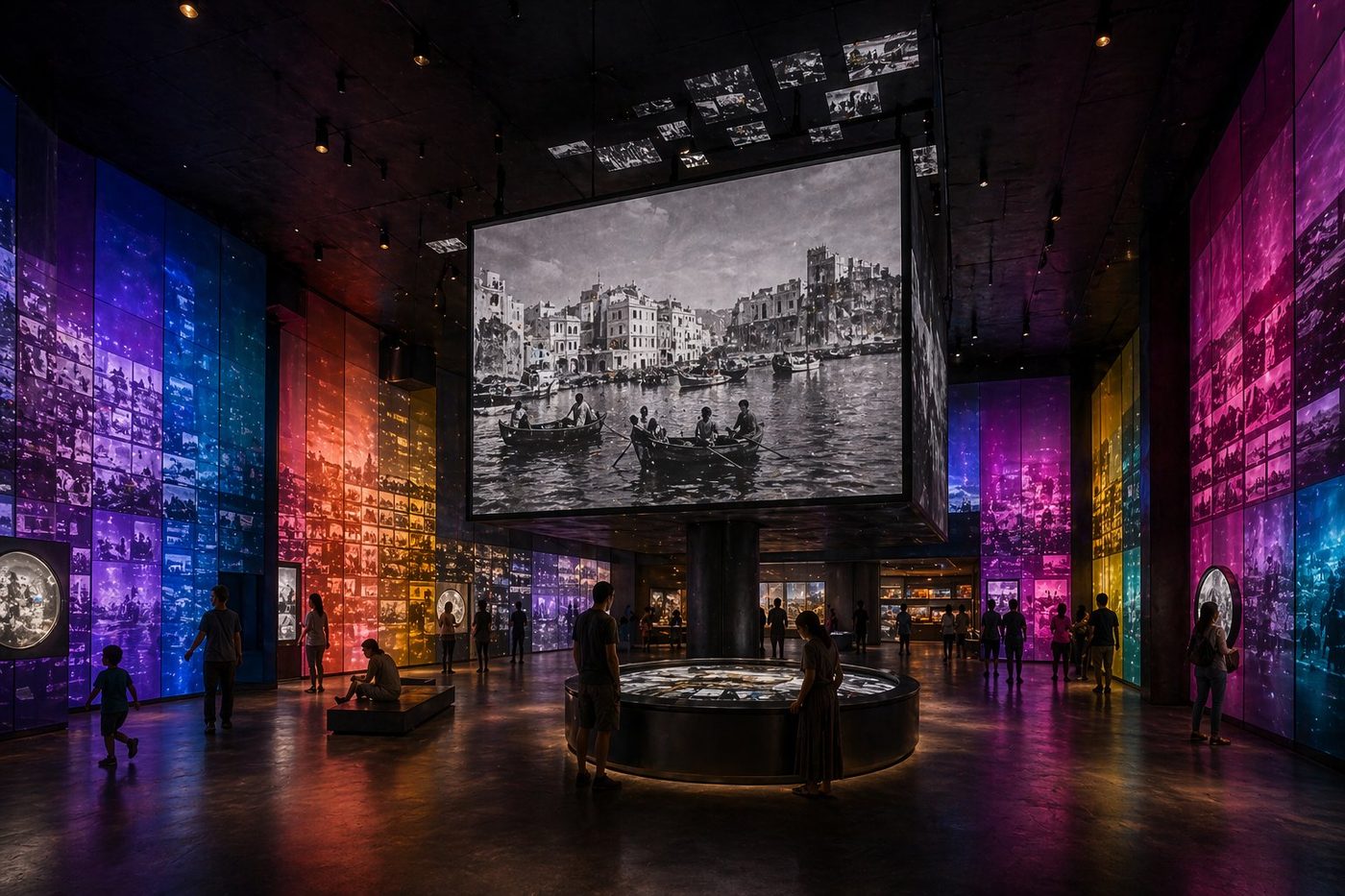
The ellis archive in conventional curatorial form. Illuminated grids of photographic plates, central screens, deep visual material. The archive to study and to browse.
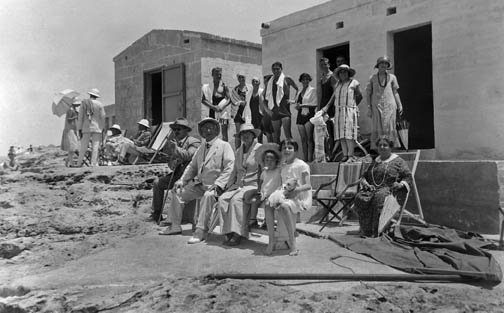
An immersive walk-through where photographs become architecture. Images at full scale on suspended scrim, projected onto limestone walls. The archive felt rather than studied.
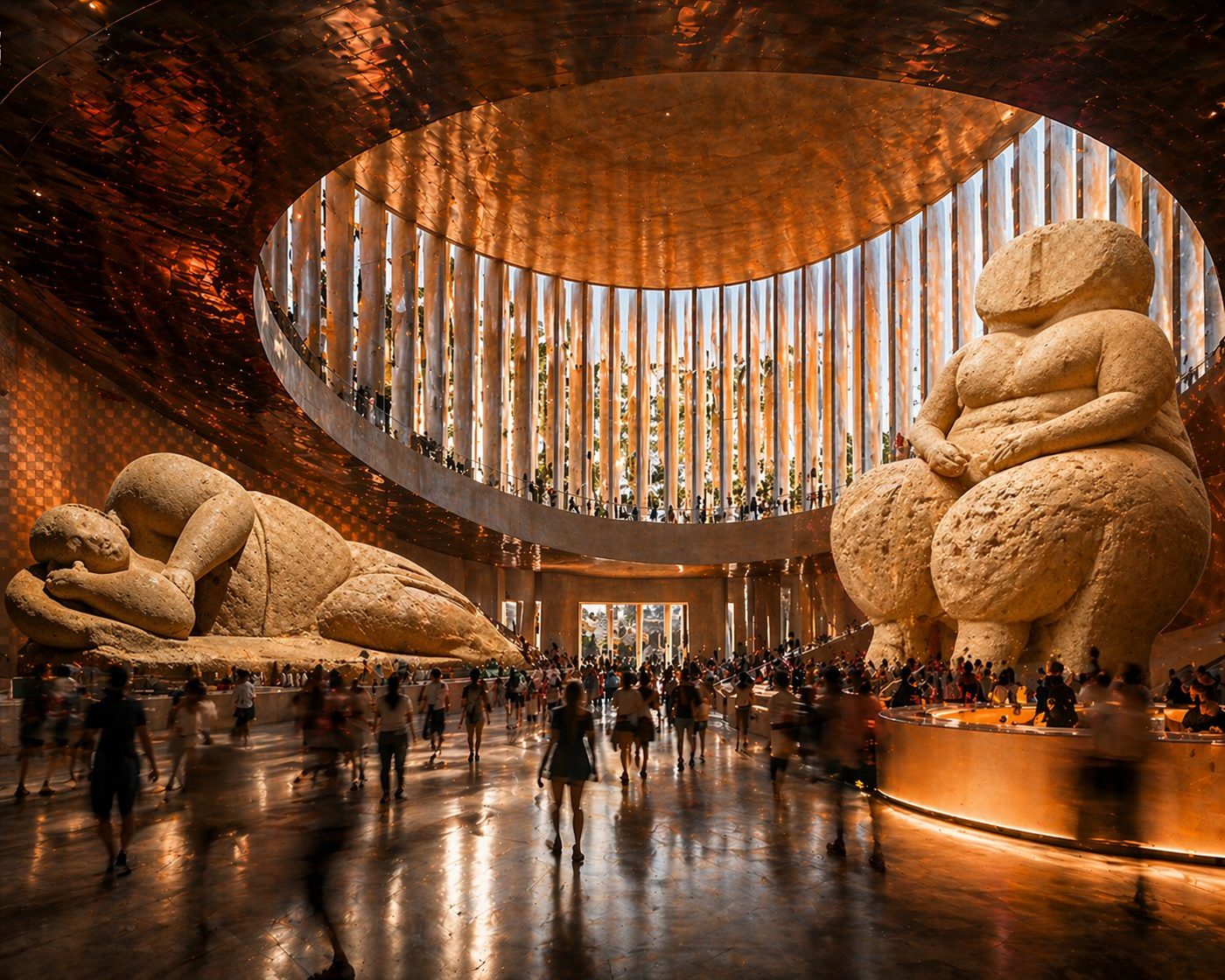
The central oculus. A void of sky and light at the heart of the cushion form. Between the past room and the future room. Quiet. Atmospheric. This is malta now.
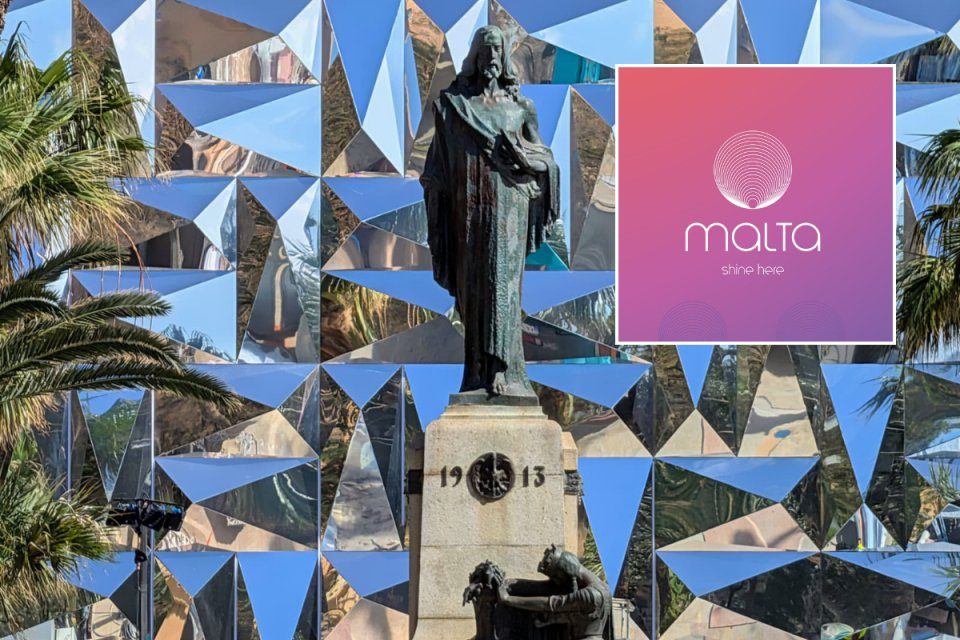
The envision 2050 mirror installation. A faceted reflective surface that holds the country's national vision in architectural form. The future as an existing artefact, not a commission to come.
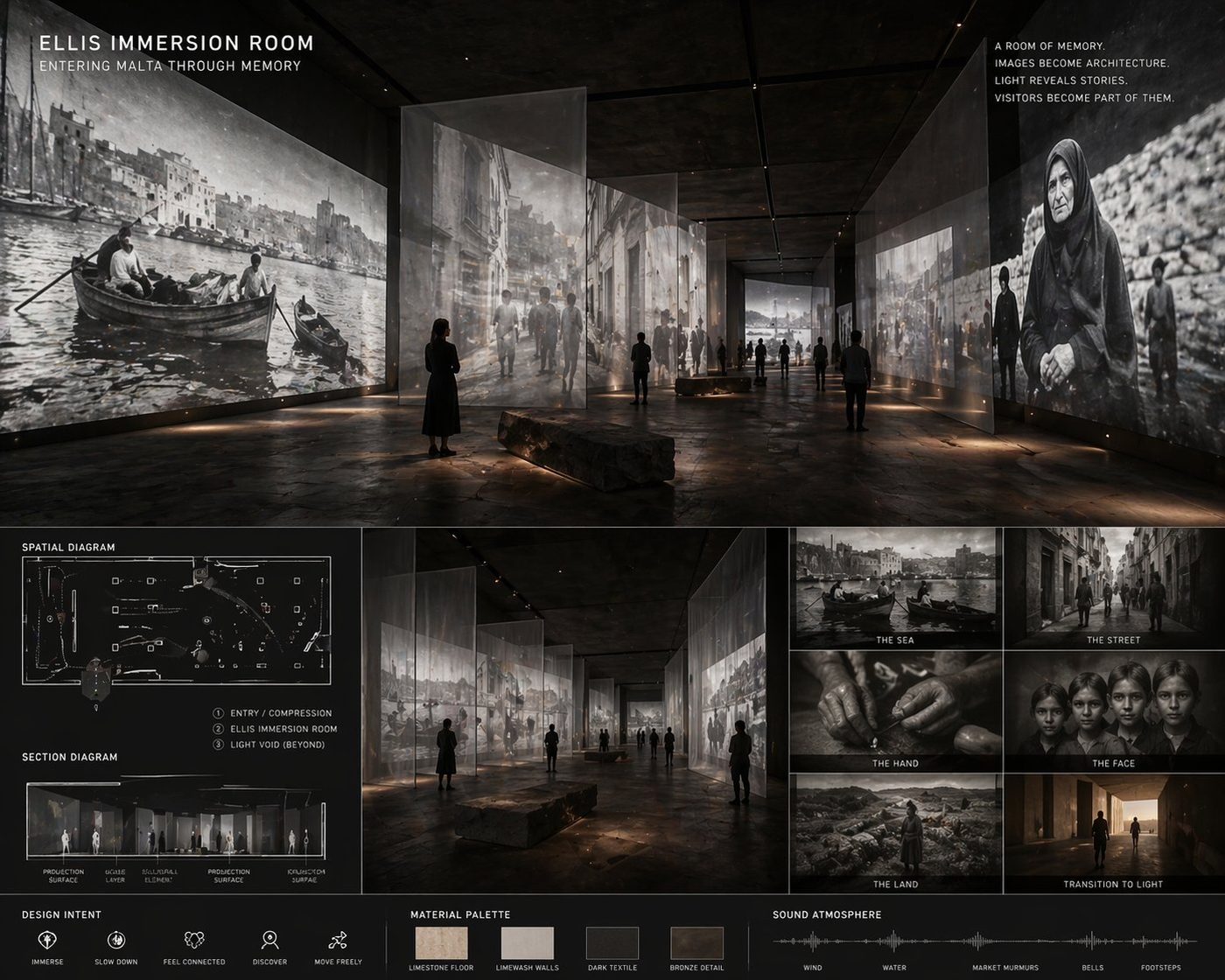
The existing village streets, transformed into a permanent festa-of-making environment. Continuous pedestrian ground, integrated shading, warm lighting. Alive after sunset.
A working economy of producers. Ceramics, glass, textiles, leather, printmaking, jewellery, woodwork, design. Not retail density. Experiential density.
the visit as a passage.
six steps, walked through in time.
The visitor enters the streets as the present, descends into the past, passes through the threshold of light at the centre of the building, emerges into the future, and returns through the streets having walked through the country in time.
the visitor enters as a tourist and leaves having walked through the country in time.
six fragments.
Six images of the institution. The cushion form at sunset. The armoury hall through ellis' camera. The ellis room felt as architecture. A grand harbour from a hundred years ago. The envision 2050 mirrors, the country's vision in faceted form. The streets at dusk.
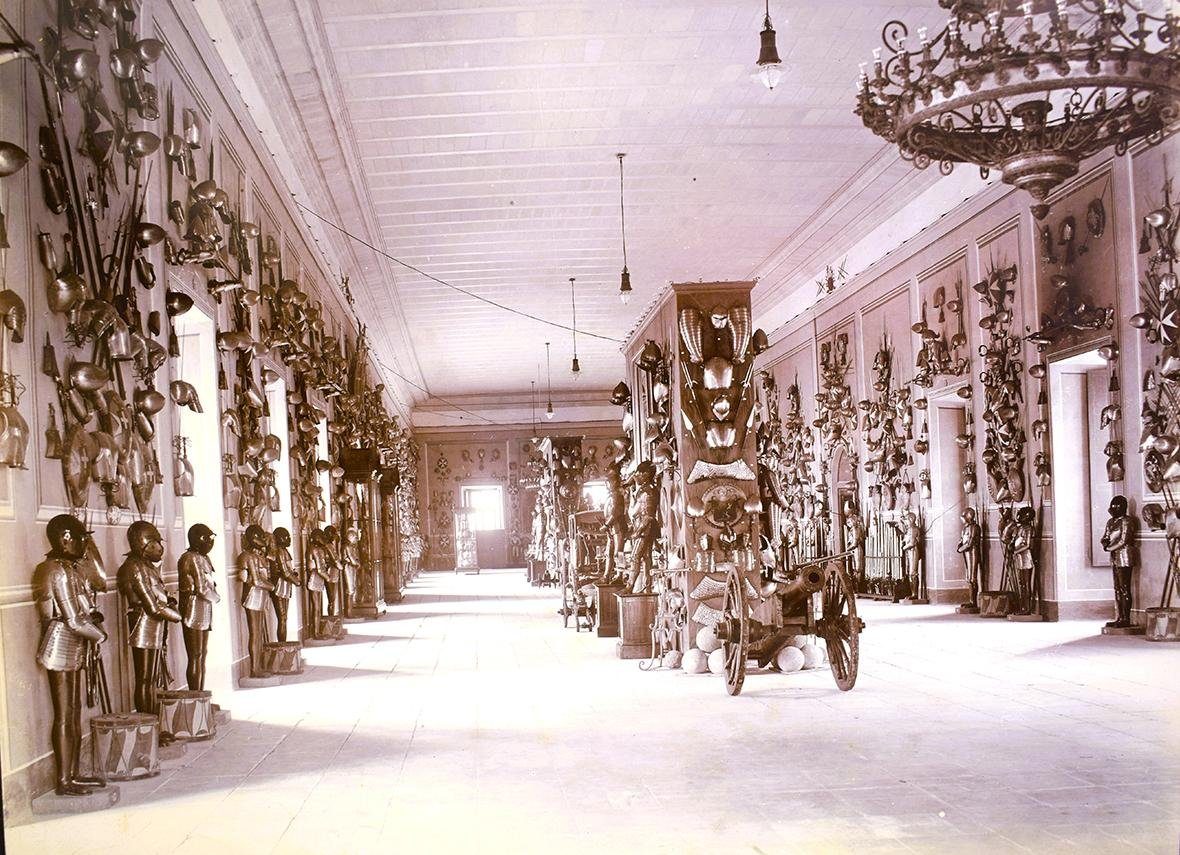
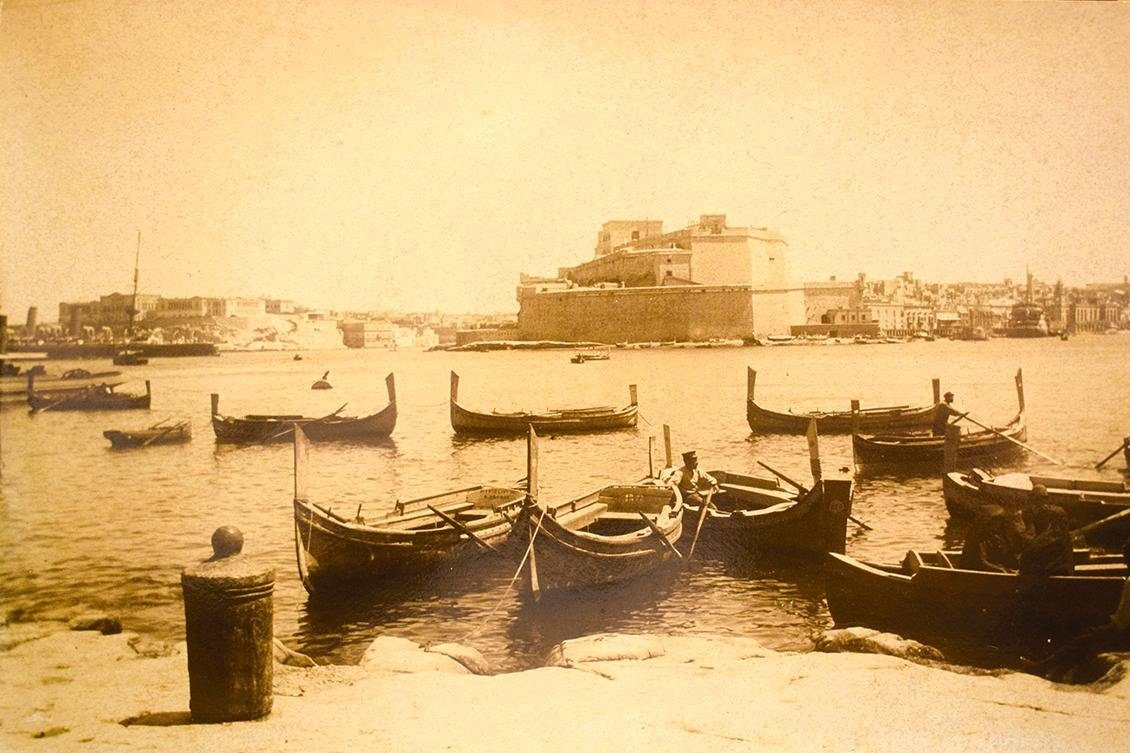
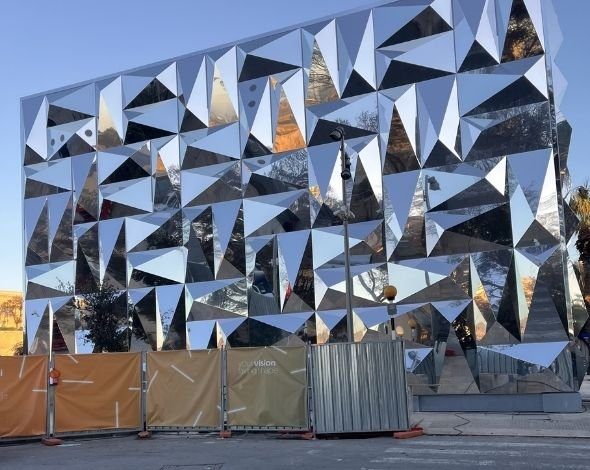
plate · the festa streets
past malta.
The ellis half of the cultural anchor. Two rooms in dialogue. The archive room, where the ellis collection is held in study form: forty thousand photographs from the 1860s onward. The ellis room, where photographs become architecture and the archive is felt rather than studied. Limestone, limewash, dark textile, bronze. Photographic memory rendered as space.
enter the half —
present malta.
The existing village streets, transformed into a permanent festa-of-making environment. Workshops at street level. Cafés, the wine bar, the bookshop, the design store. Continuous pedestrian ground, integrated shading, warm lighting. Malta already understands how to create atmosphere through collective experience. The festa is the vernacular. The streets translate that intensity into a permanent environment. Not imitation. Interpretation.
enter the streets —future malta.
The envision 2050 mirror installation. A faceted reflective surface that holds the country's national vision in architectural form. The future room is not a commission to be authored. It is an existing work, already a piece of national thinking. The country's vision, made part of the country's museum of itself.
enter the hall —
five questions to lock.
Five items remain open and should be resolved before the next phase. Two are institutional acquisitions, two are architectural decisions, one is a curatorial strategy. Each is consequential. Each is namable. Each can be locked.

closing
a museum of malta,
in time.