opening
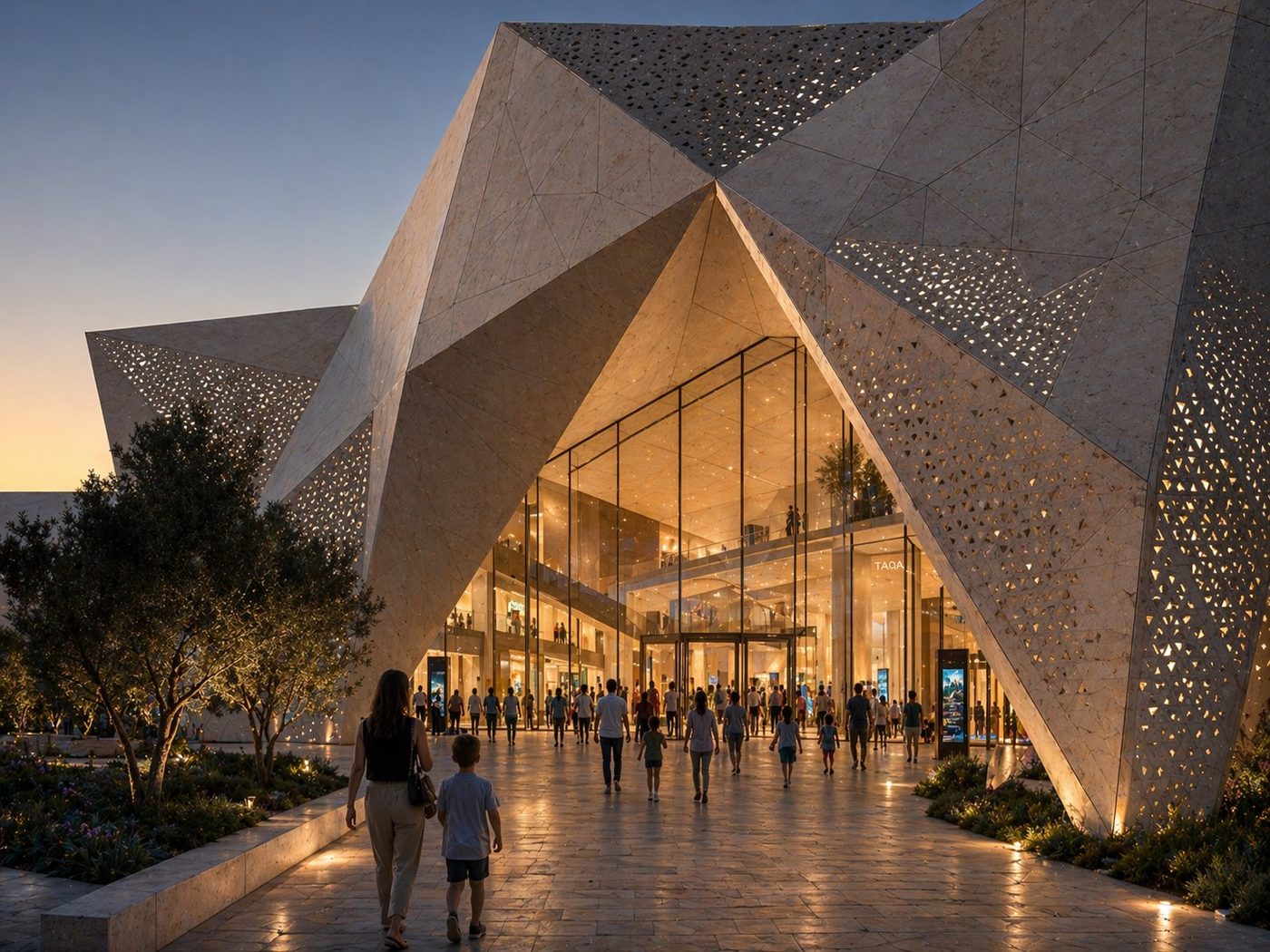
the lede
malta has a coastal story.
malta also has an inland one.
the cities, the harbour, the bastions, the bays. these are the places visitors find first. older, layered, less photographed, the inland story has waited longer for its venue.
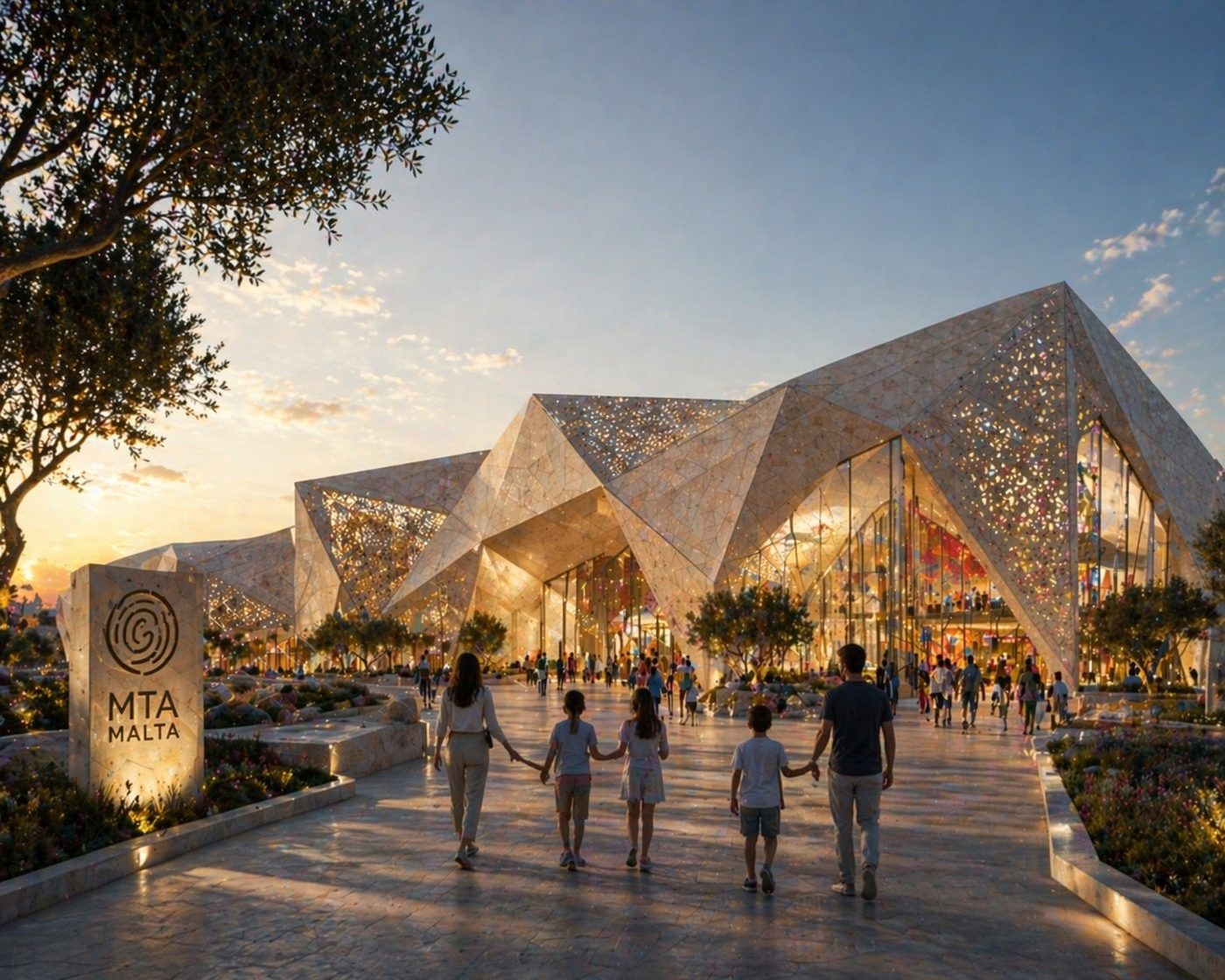
three million visitors a year.
no place where the story is told.
the great majority arrive, circulate, and leave without ever encountering a coherent account of what malta is, where it sits in the mediterranean, or what its layered identity means. the story they assemble is fragmentary, incidental, and increasingly written by algorithms. an inland chamber, sited at ta' qali, recovers that authorship. the centre of the island becomes the place where the centre of the story is held.
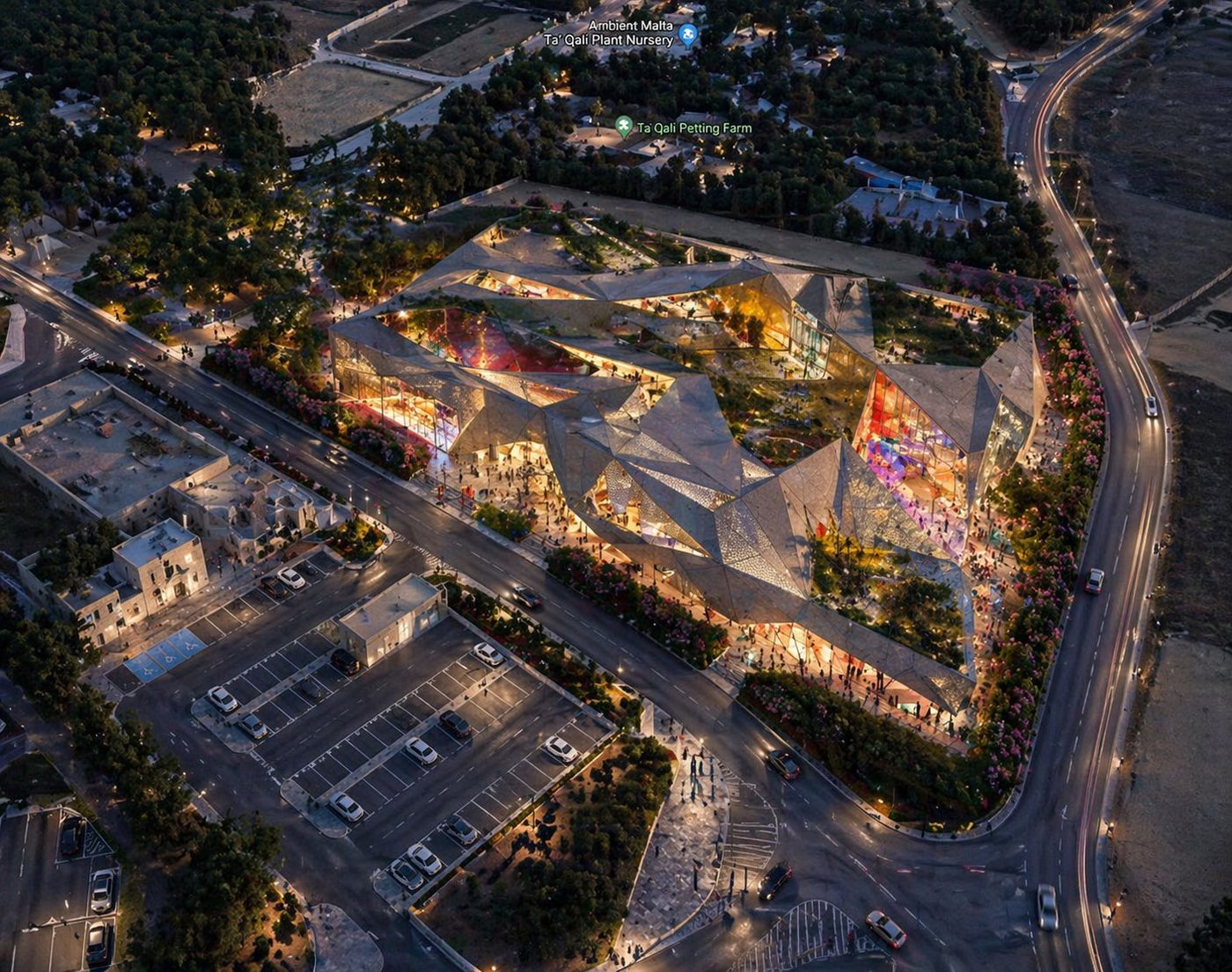
the concept
the inland chamber.
contemplation, urban icon, inland story. each catalyst holds one register. together they cover the country.
fort campbell opens the contemplative register, programmed for slowness. the chalet opens the urban-marine register, executed as a single iconic move. ta' qali opens the playable register: an inland chamber where malta's layered identity is encountered as space rather than as text. the village beside it remains the daytime tier, productive and continuous; the chamber holds the evening. the village is not decoration. the chamber is not replacement. neither carries the destination alone.
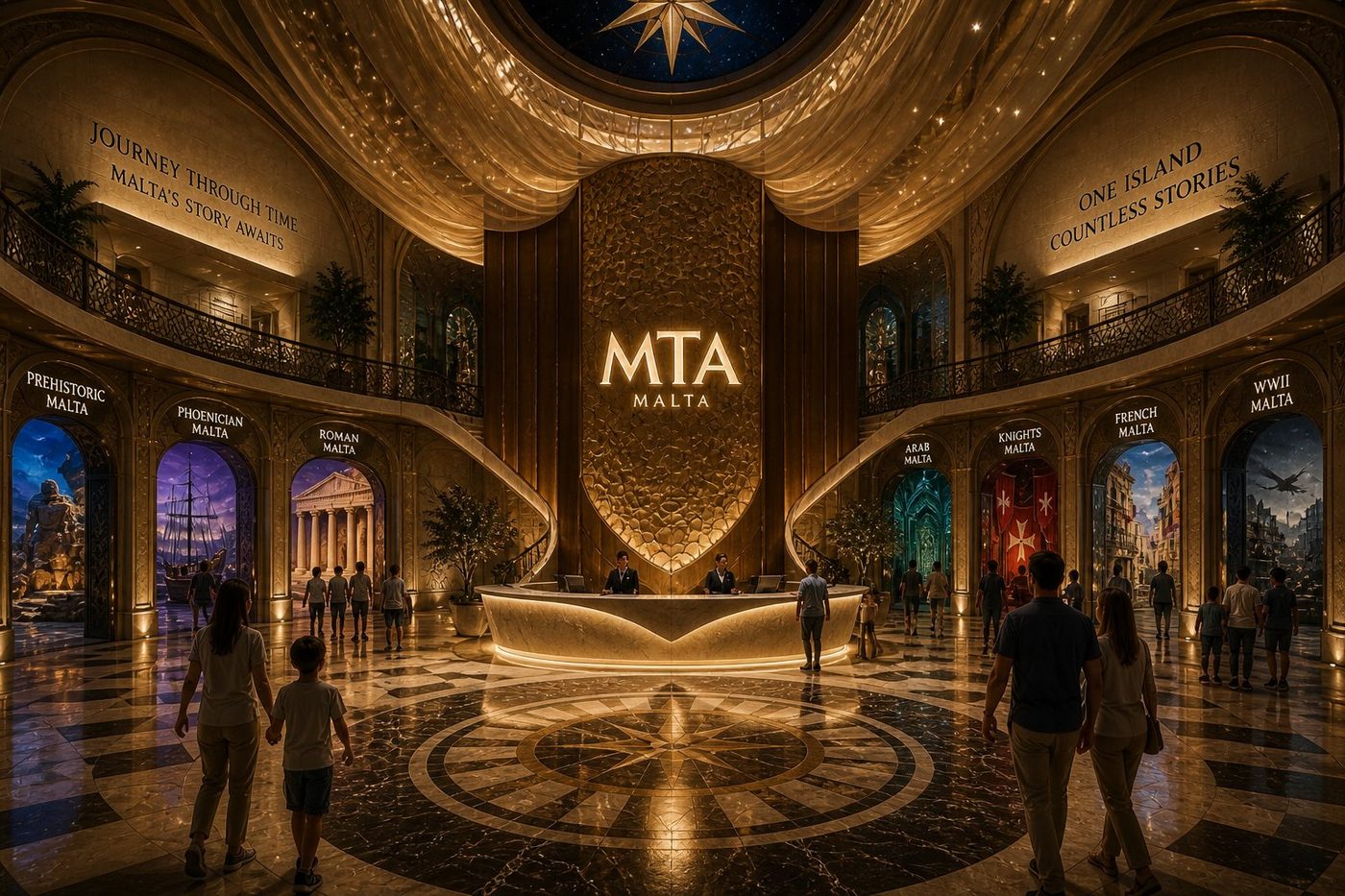
not a procession of rulers.
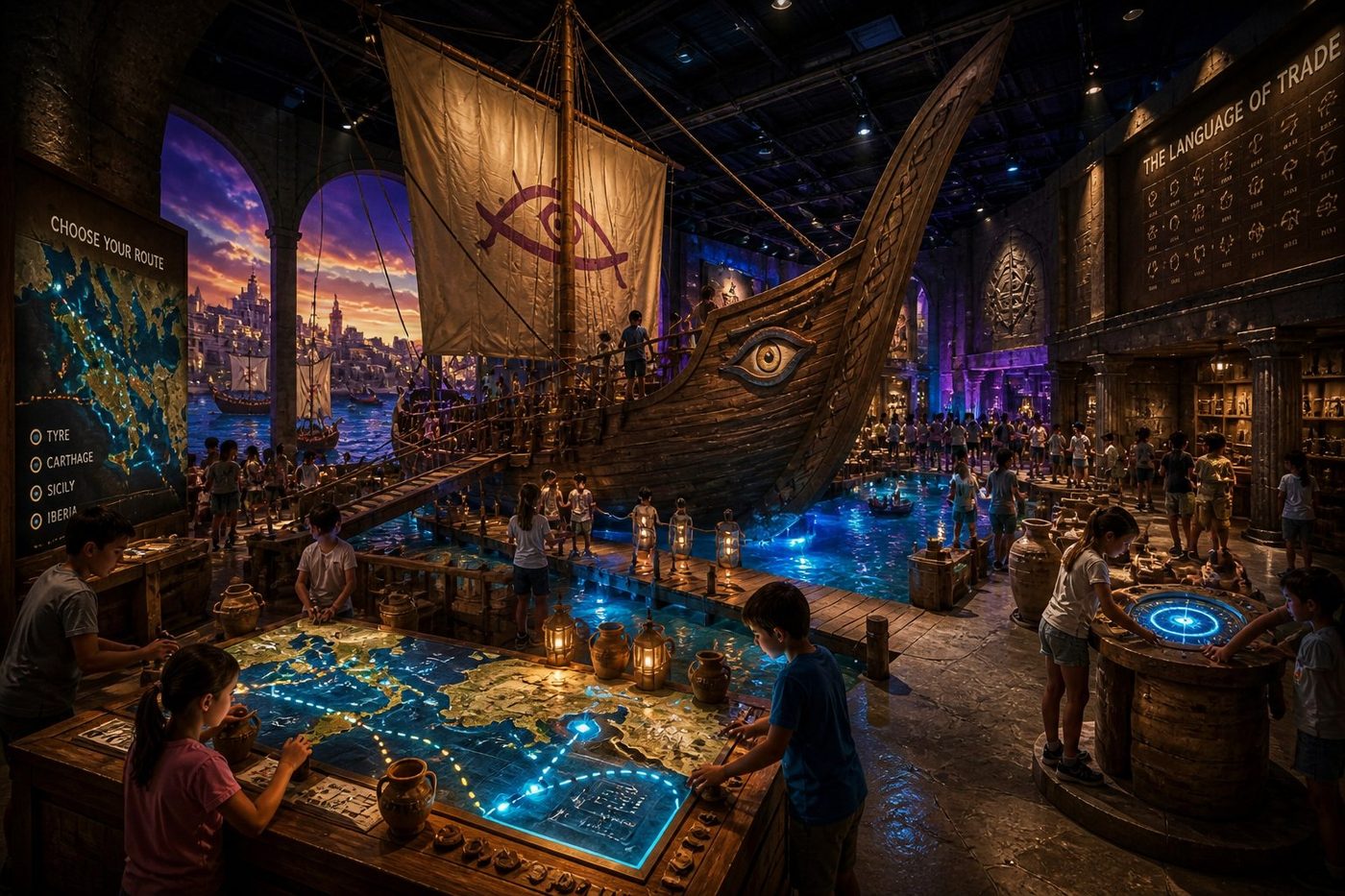
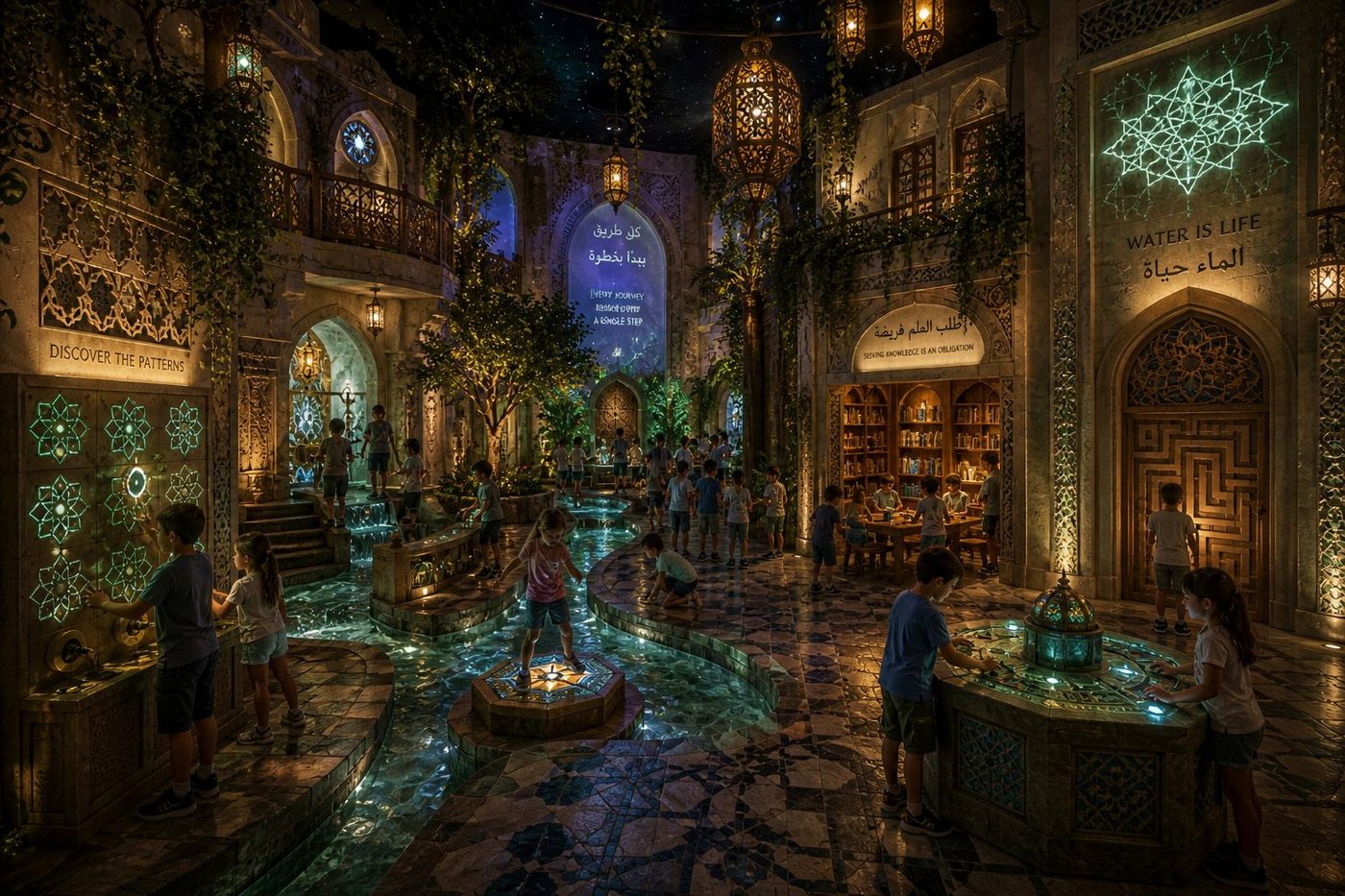
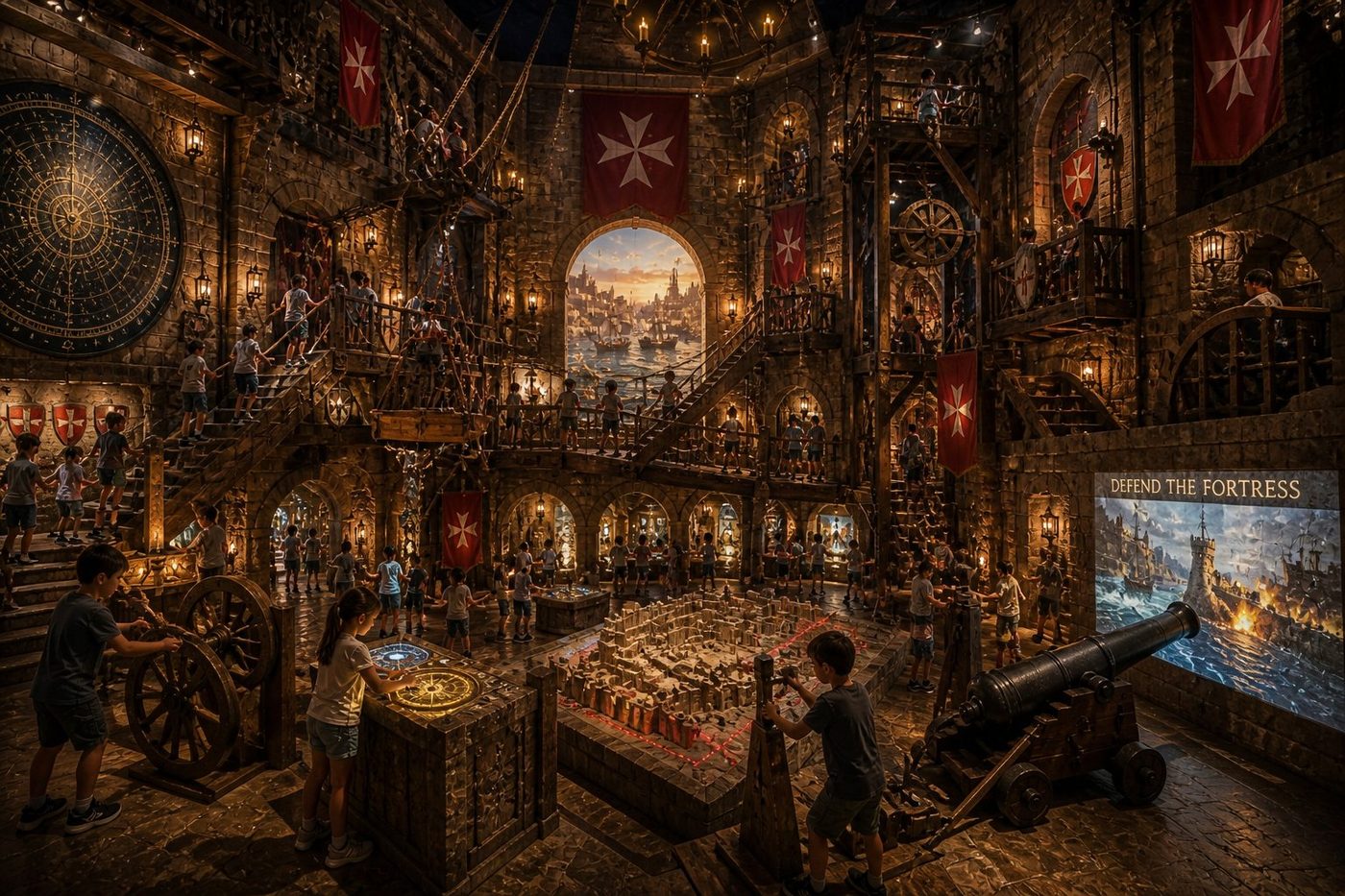
a sequence of layered chambers, each holding what one period left in the place: tools, scripts, faiths, languages, fortifications, ideas. visitors do not move through a timeline. they move through an identity that is still being assembled.
the prehistoric chamber.
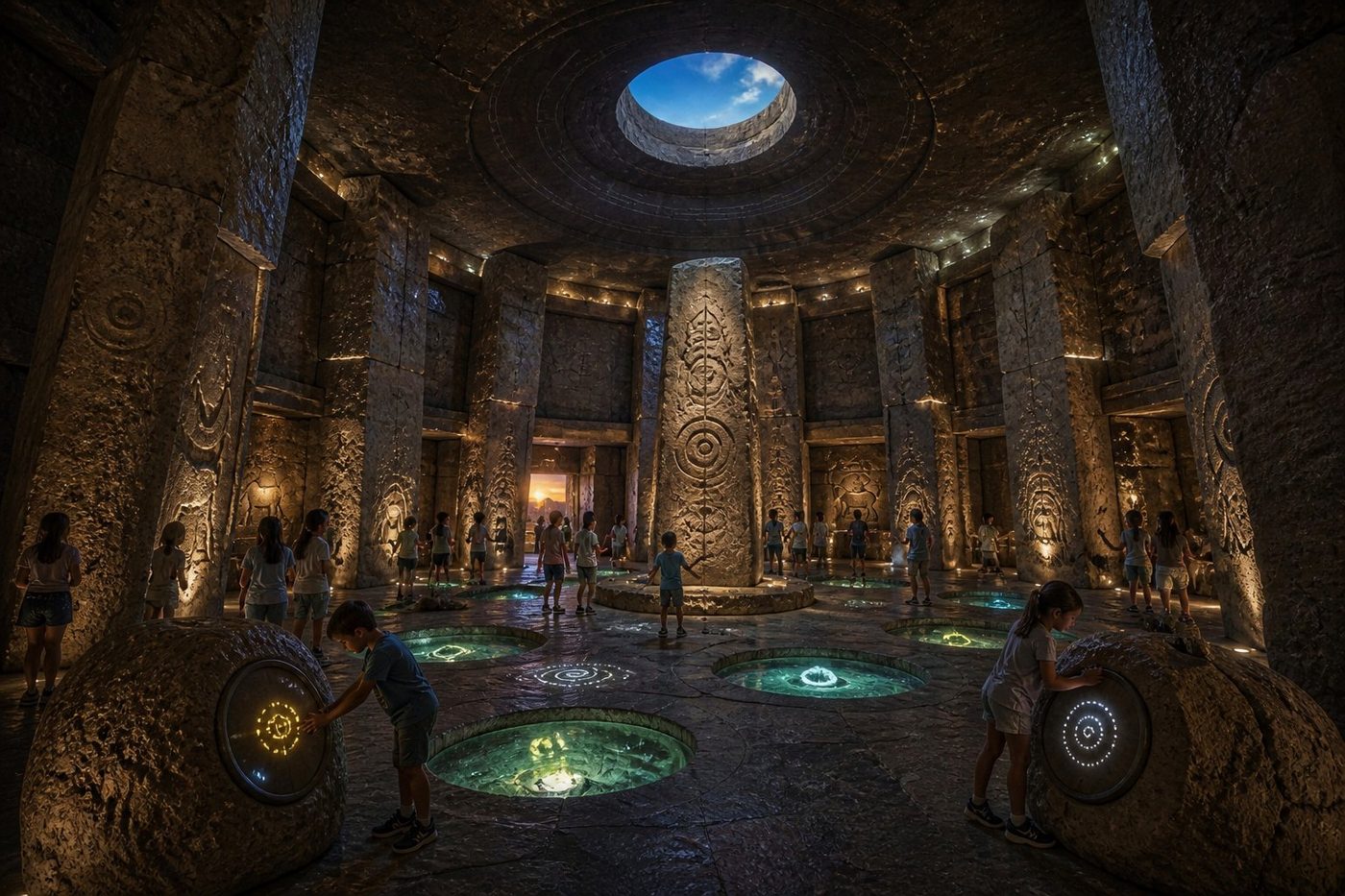
malta's oldest layer, held without sentimentality. the chamber refers to the temple plans of tarxien, ġgantija, and ħaġar qim through plan logic and material weight, not through scenography. visitors enter a circular volume cut from the ground, lit from a single oculus. the period's surviving objects are placed in a low ring around the floor. the architectural argument is restraint, the same argument the megalithic builders made on this island five thousand years ago.
enter the chamber —
the roman chamber.
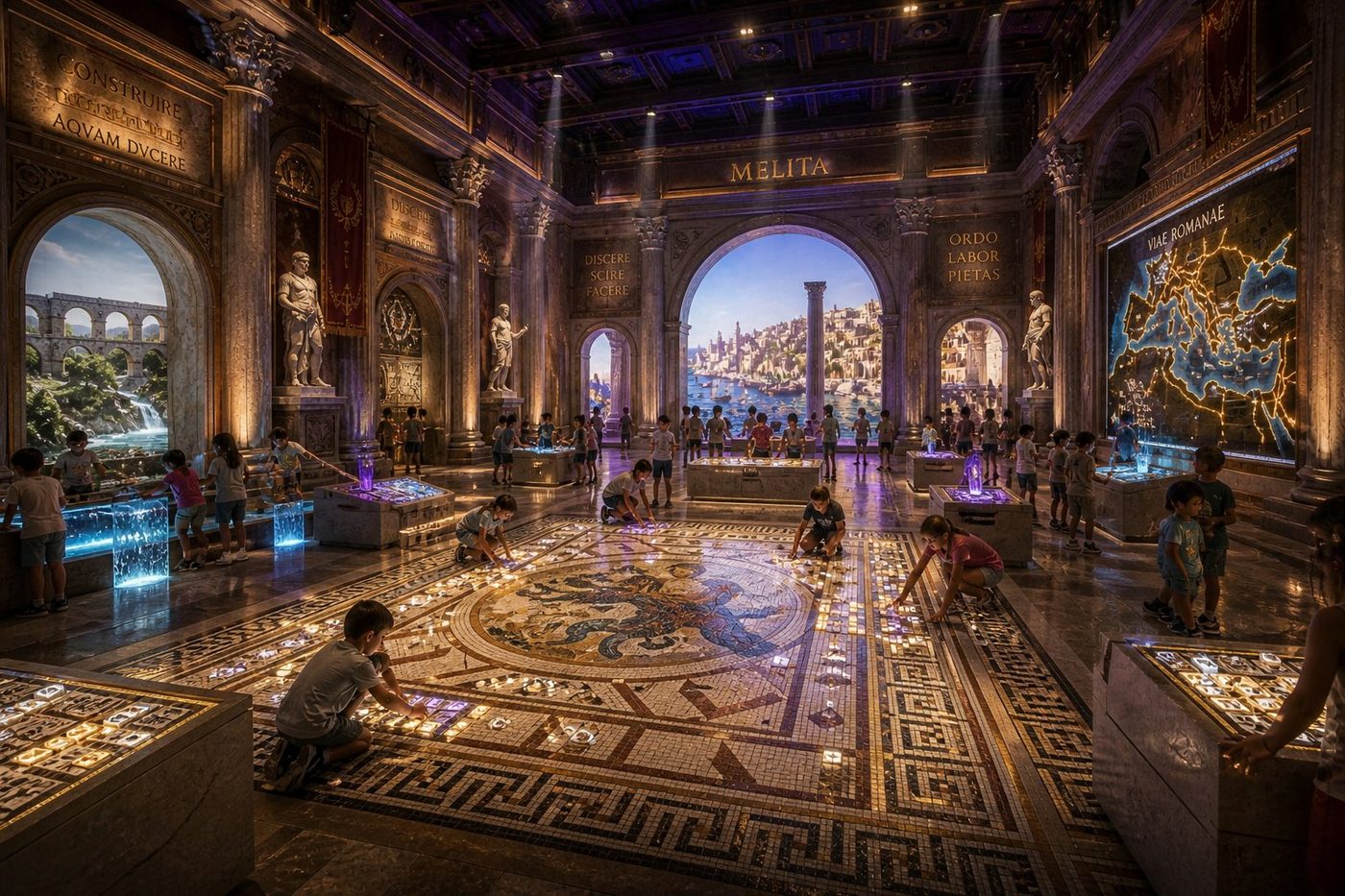
the chamber is built around the moment malta enters mediterranean infrastructure. it holds melita as the small provincial town it was, not as imperial spectacle. the floor is a working mosaic: visitors complete its missing tesserae with their hands. the wall behind it carries the latin verbs of the period as instructions rather than ornament: to build, to draw water, to learn, to know, to make. the chamber's claim is that civilisation reaches malta through plumbing, law, and script, all three readable here as plan.
enter the chamber —the wartime chamber.
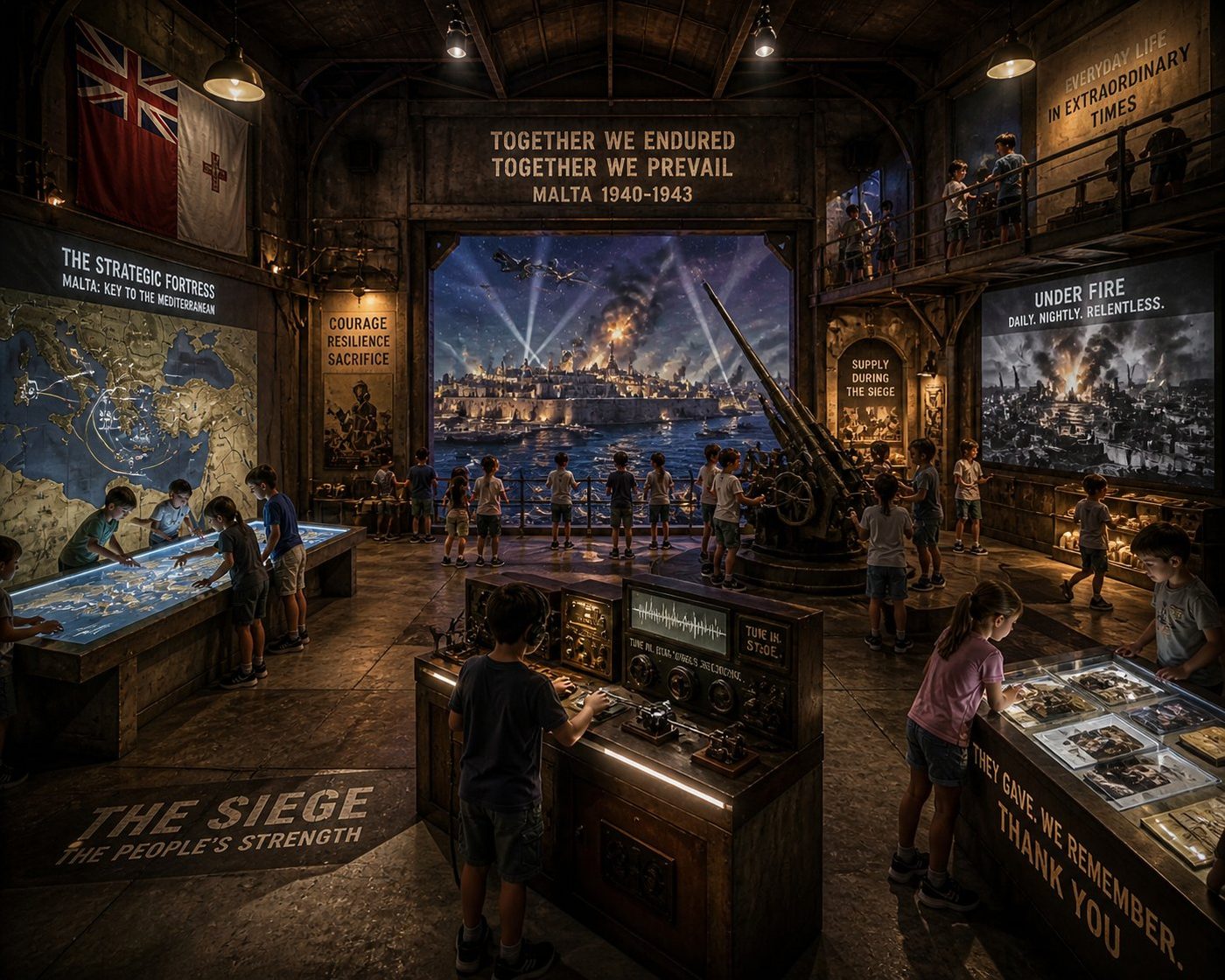
the chamber that sits closest to living memory, designed accordingly. it is held in the register of a memorial, not a war attraction. archive footage from the siege years runs at low volume on a single wall. on the opposite wall, the names of the civilian dead between 1940 and 1943, recovered from the public record. visitors stand in the chamber, then walk out into the same sky that once held the aircraft over grand harbour. the atmosphere is sober. the curatorial intent is to be answerable to those who remember.
enter the chamber —
closing
malta's story,
held in the centre of the island.