opening
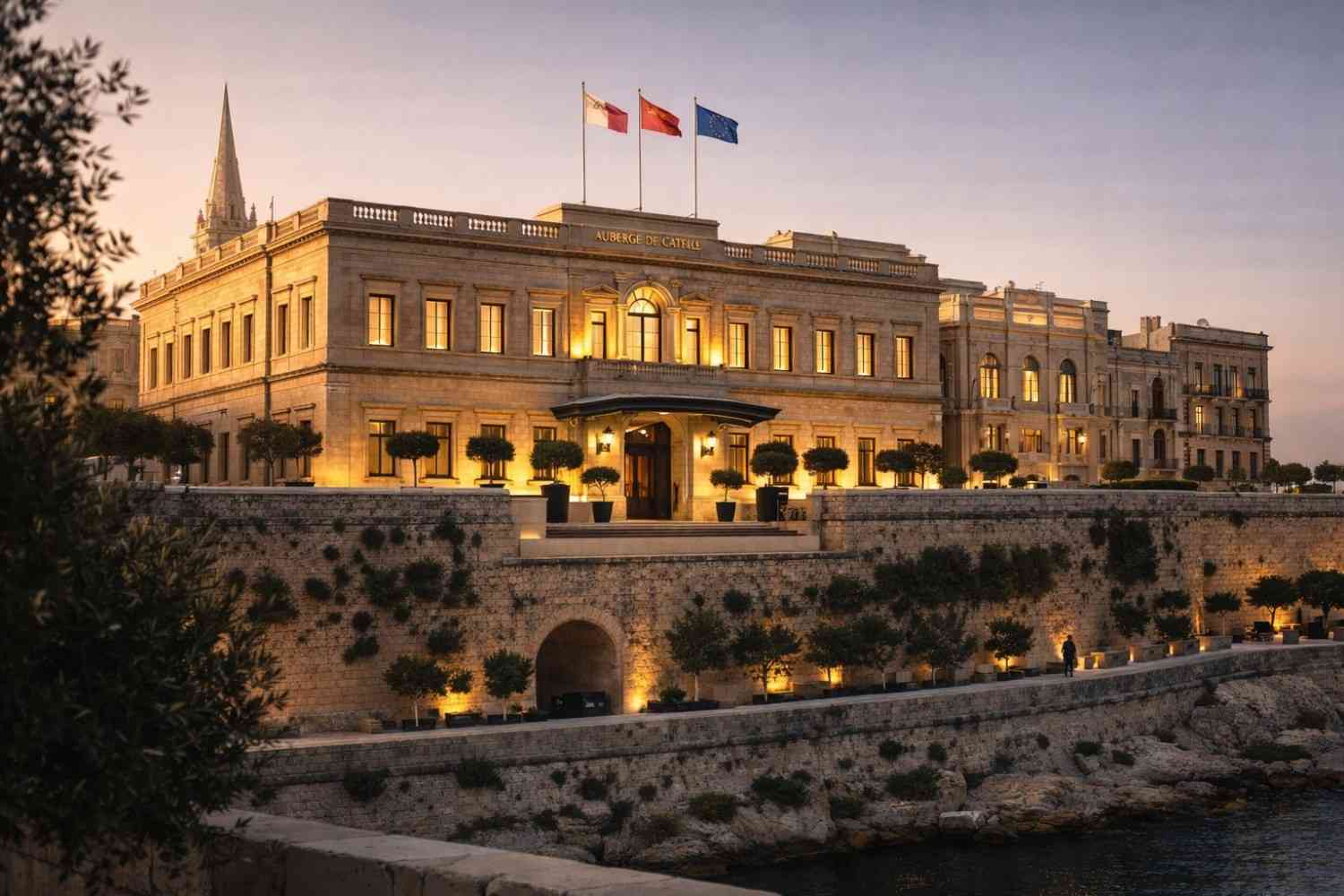
the proposition
Valletta has no ultra-luxury hotel
address. That is the opportunity.
a UNESCO World Heritage capital. four million visitors annually. no address worthy of the city they are standing in.
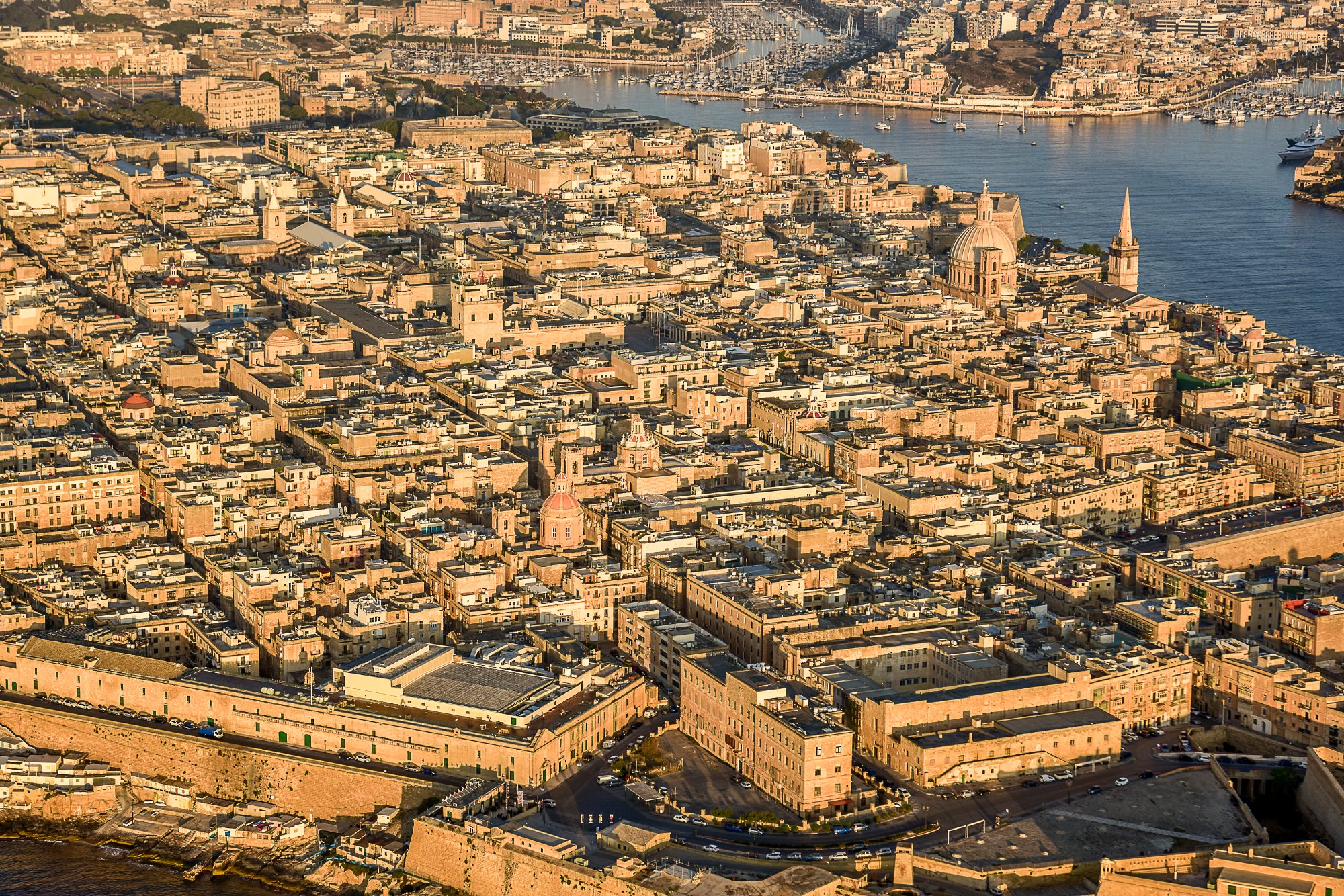
built in a single campaign of will.
the building has been waiting four hundred years.
The city was built from nothing by the Knights of St John following the Great Siege of 1565. The Auberges — one for each langue of the Order — were its civic anchors. The Auberge de Bavarie returns to its original purpose: receiving distinguished guests from across the world.
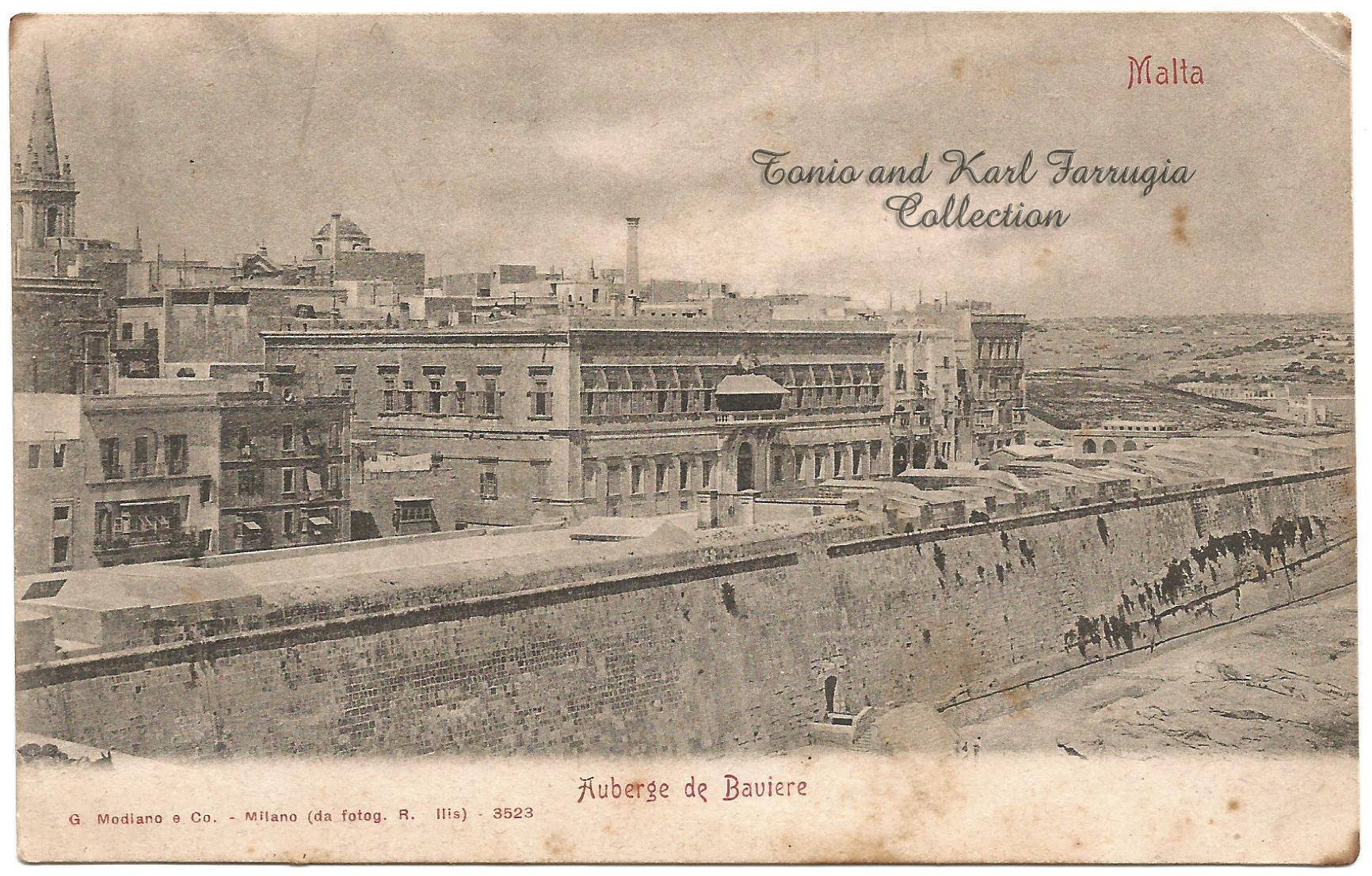
not a hotel.
a return.
Valletta in autumn is a different city. Quieter. More itself. The streets belong to those who know how to move through history slowly. Four Seasons Auberge is built for this version of the city — for depth over spectacle, for stone over light, for the guest who has been to Florence and is done with resorts.
fifty rooms. a hotel at the scale of a private residence. peak season: autumn through winter.
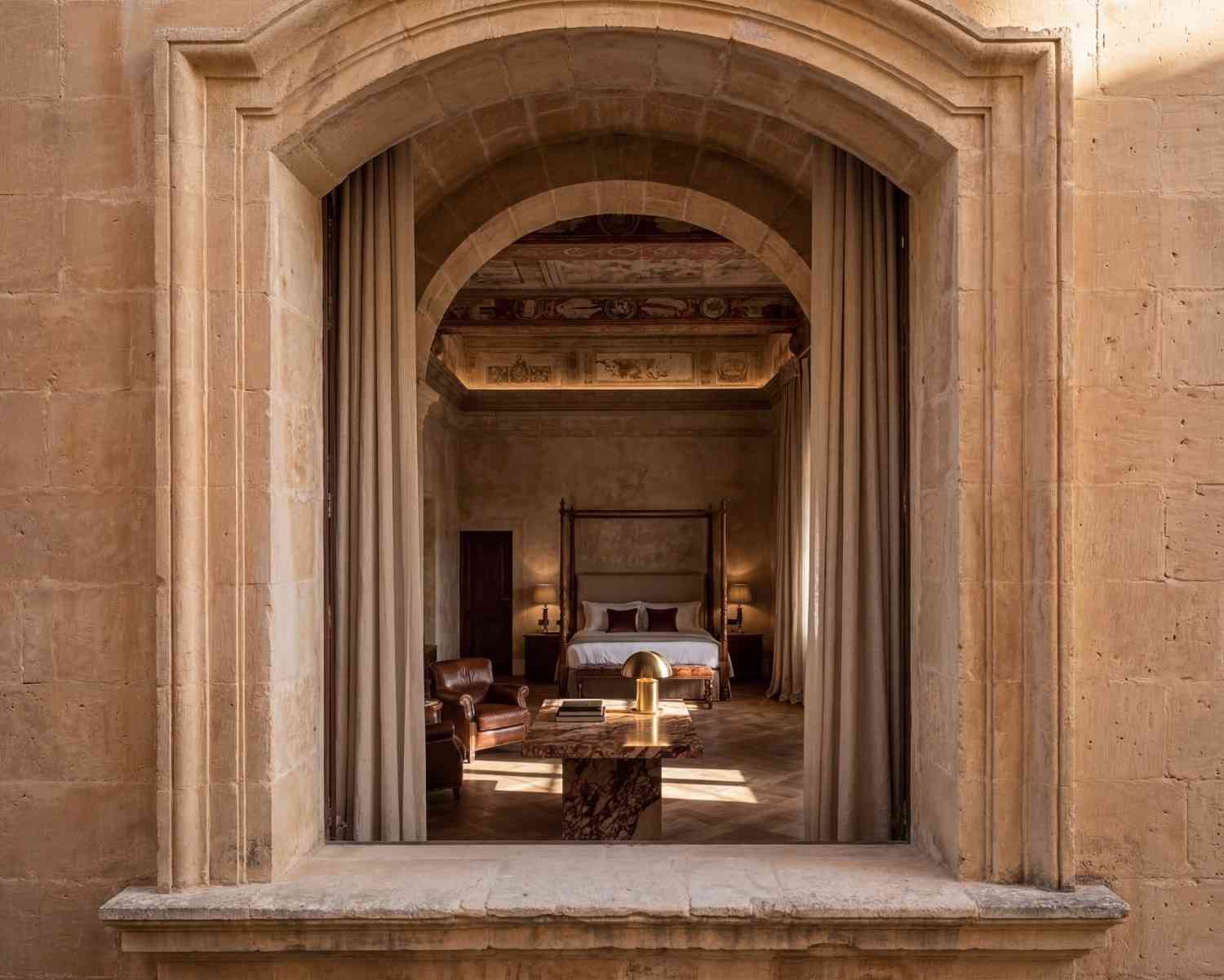
the interior.
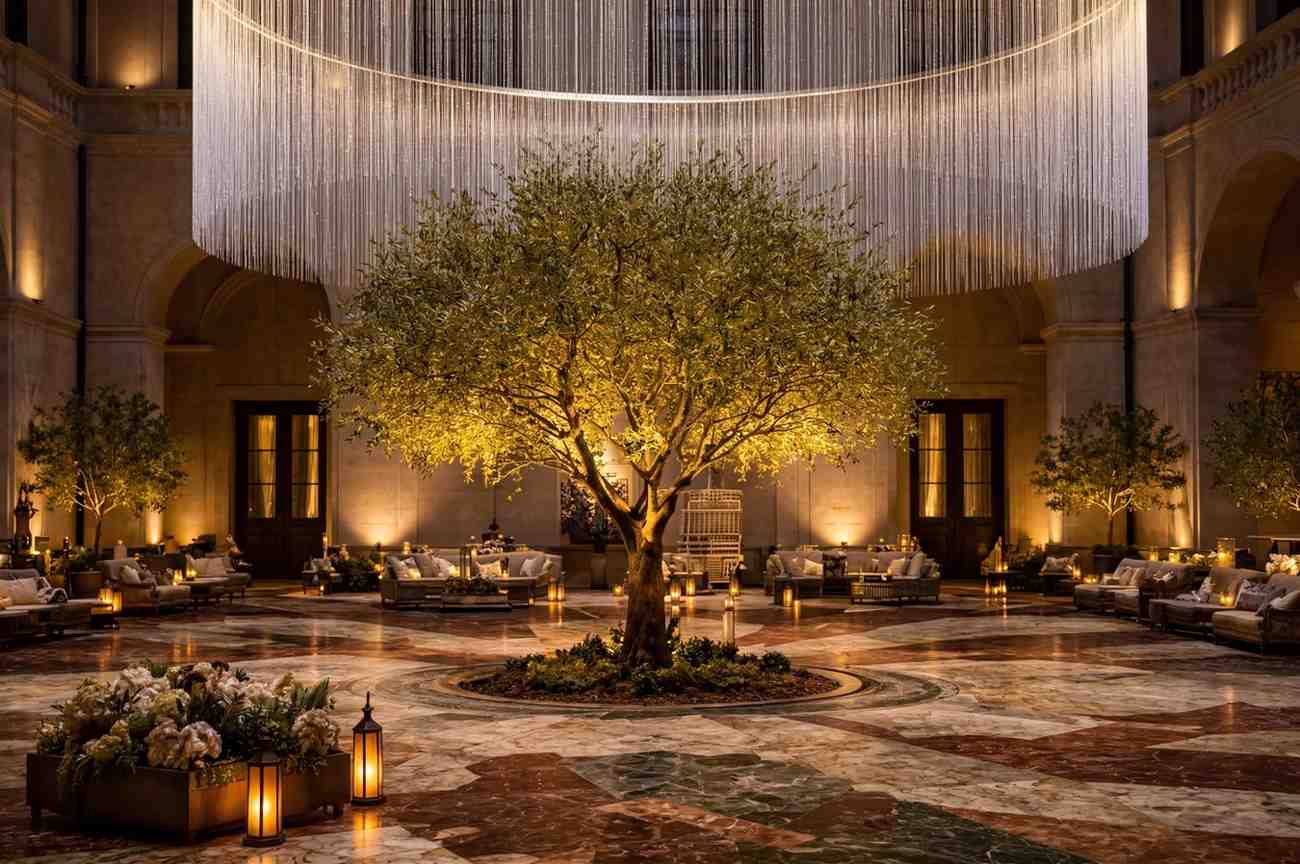
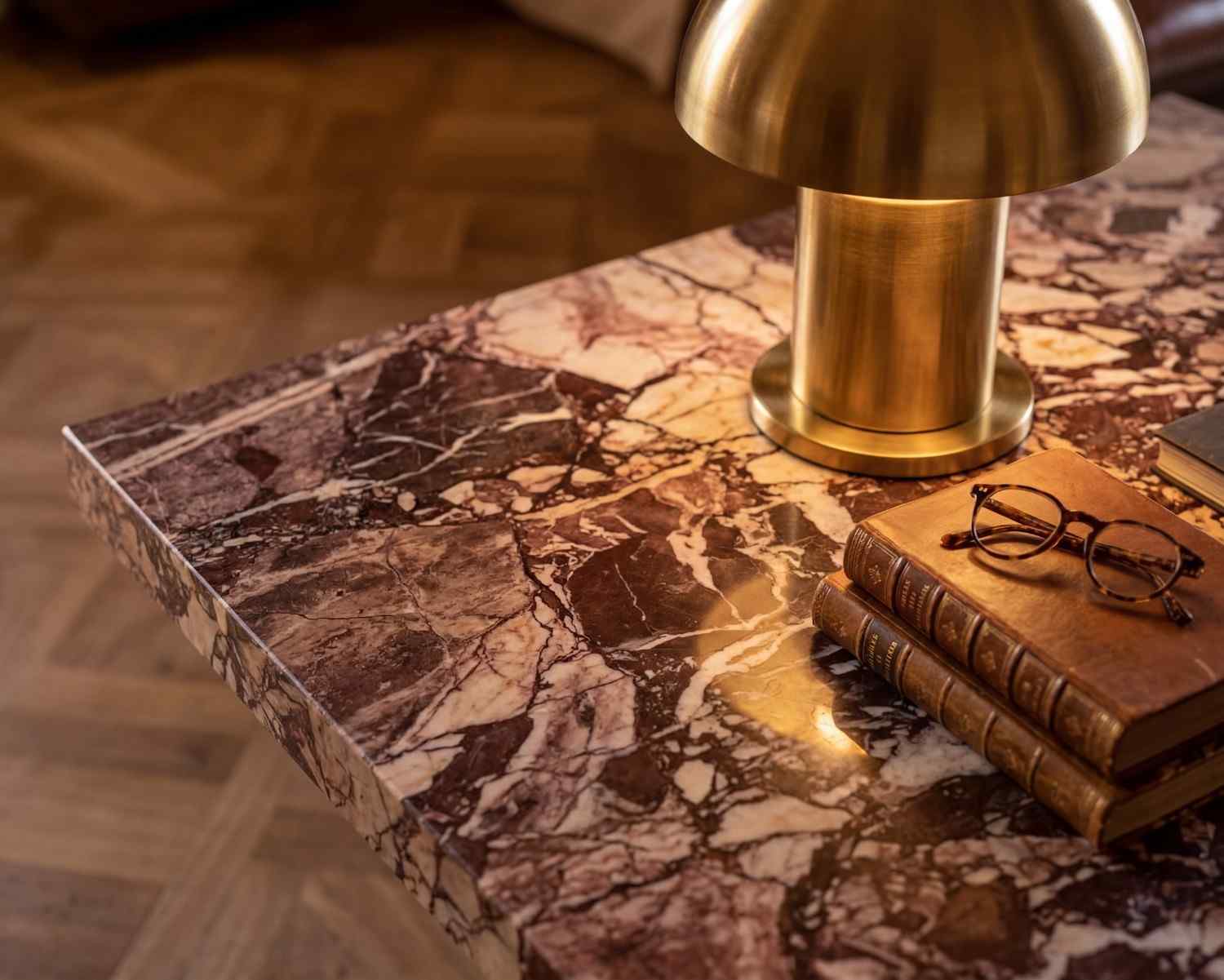
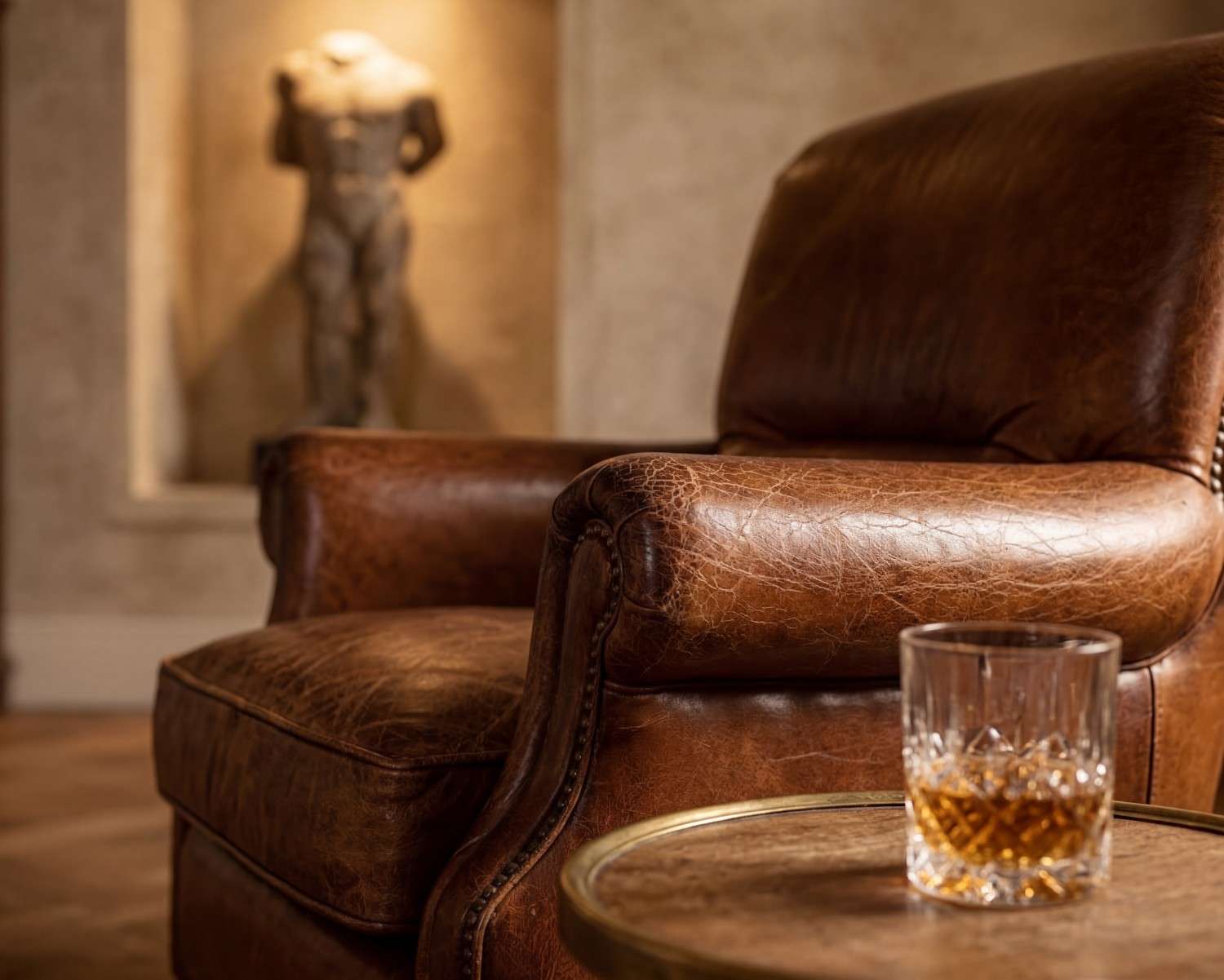
Arriving through a cortile. Rooms carved from limestone. Corridors that have absorbed four centuries of ceremony. A city outside that rewards those who move through it slowly.
the arrival.
The approach is through the city on foot. The gate. The cortile. The weight of stone on both sides. Arrival at Auberge is not a hotel check-in. It is the beginning of four centuries of ceremony, made habitable again.
the suite.
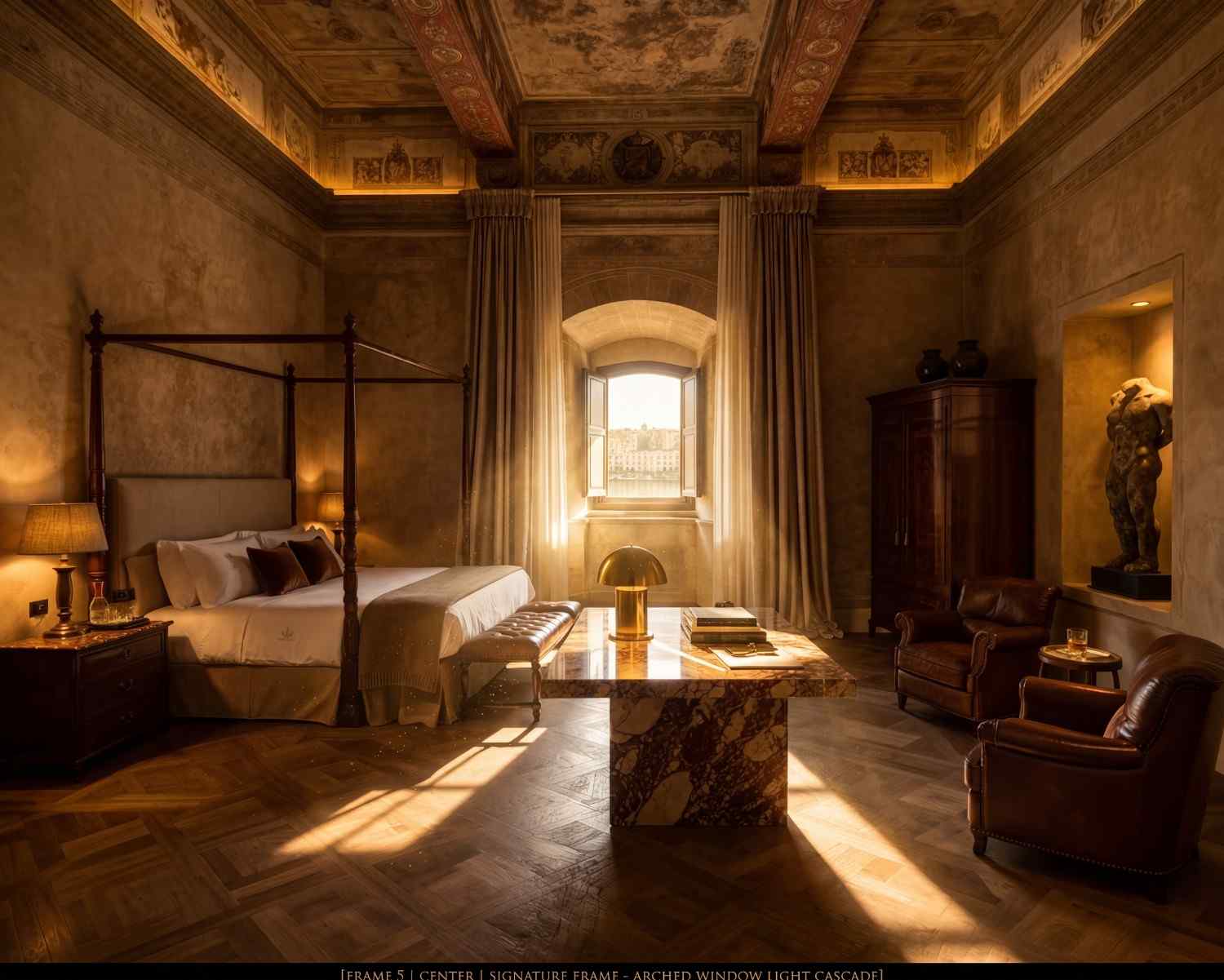
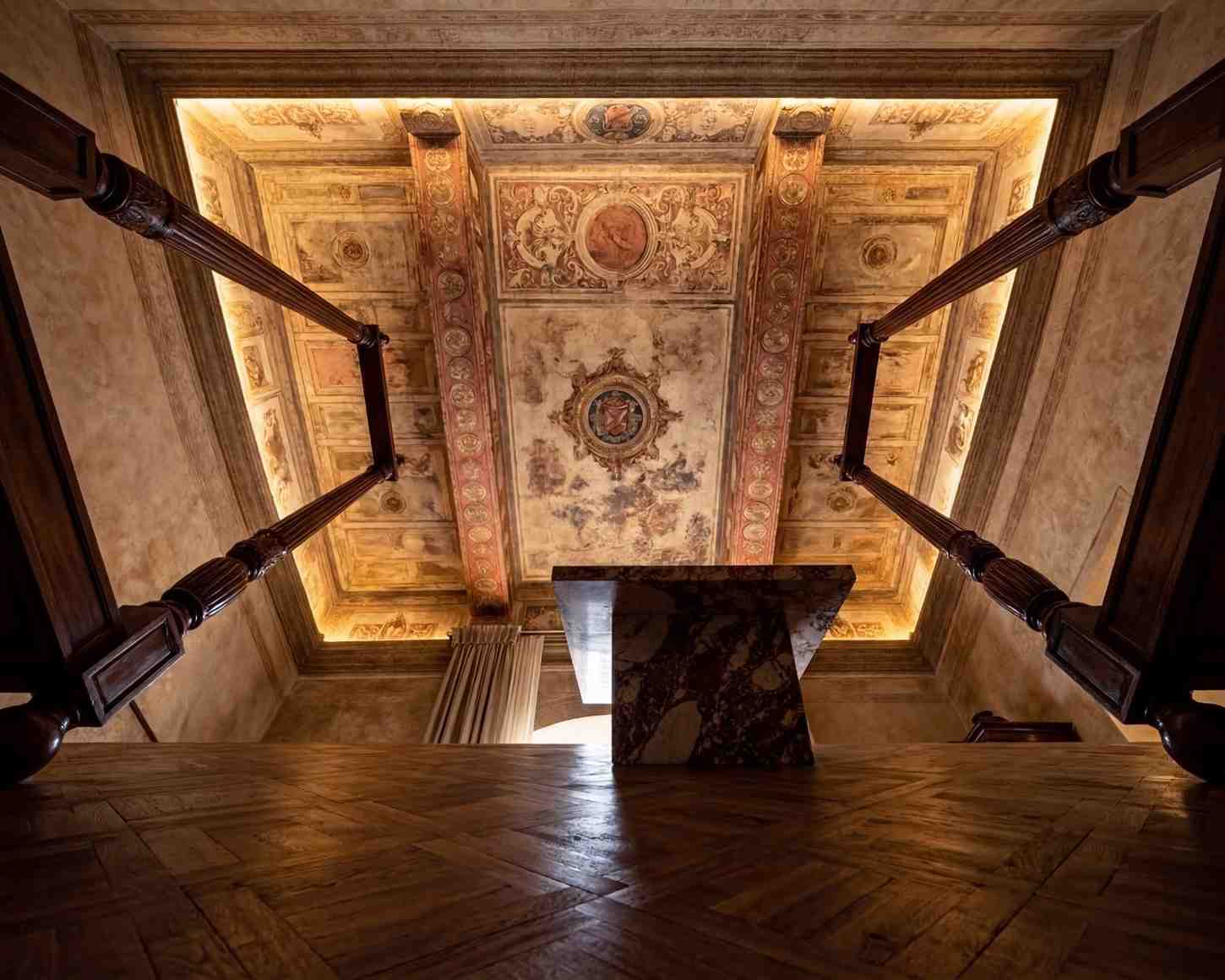
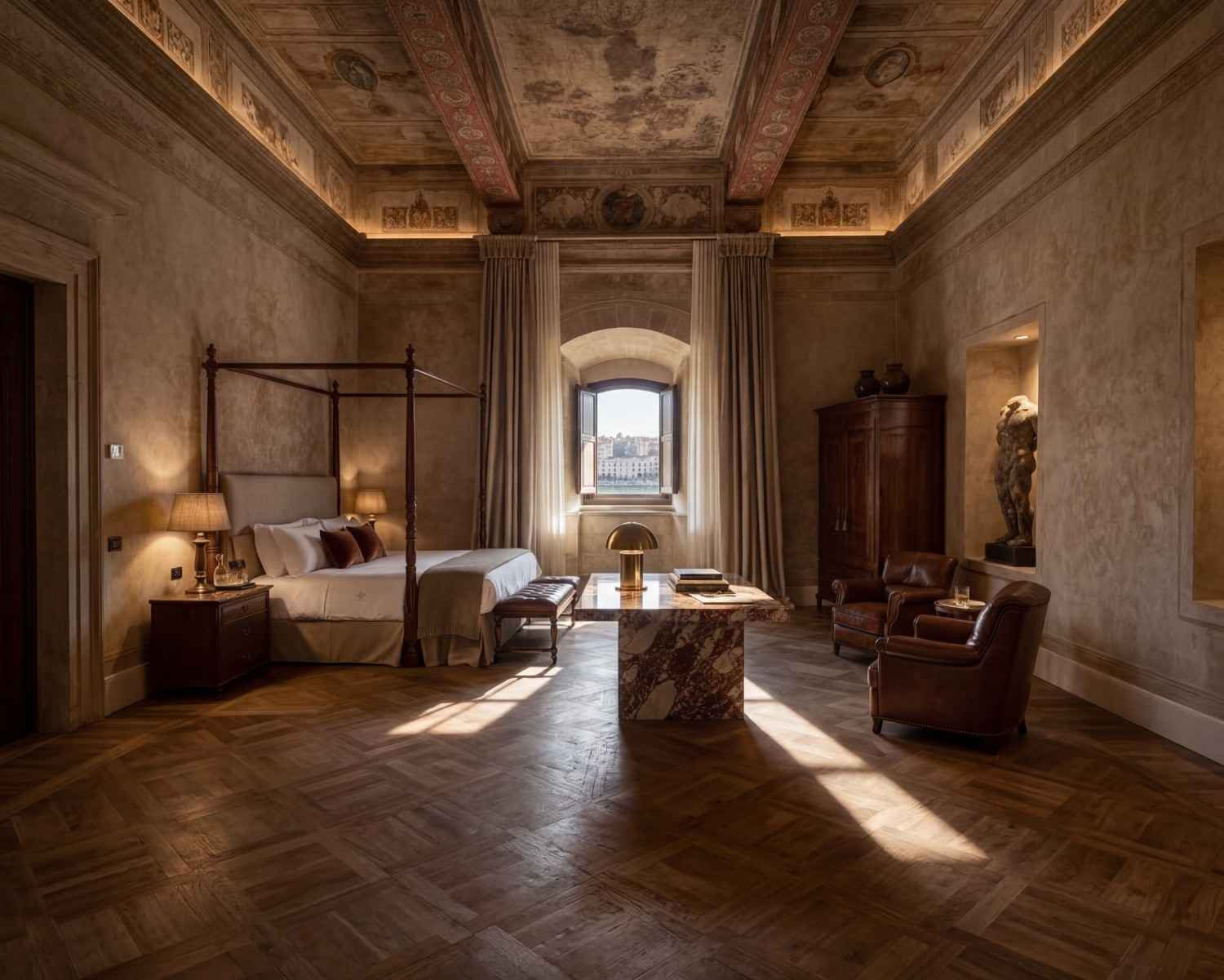
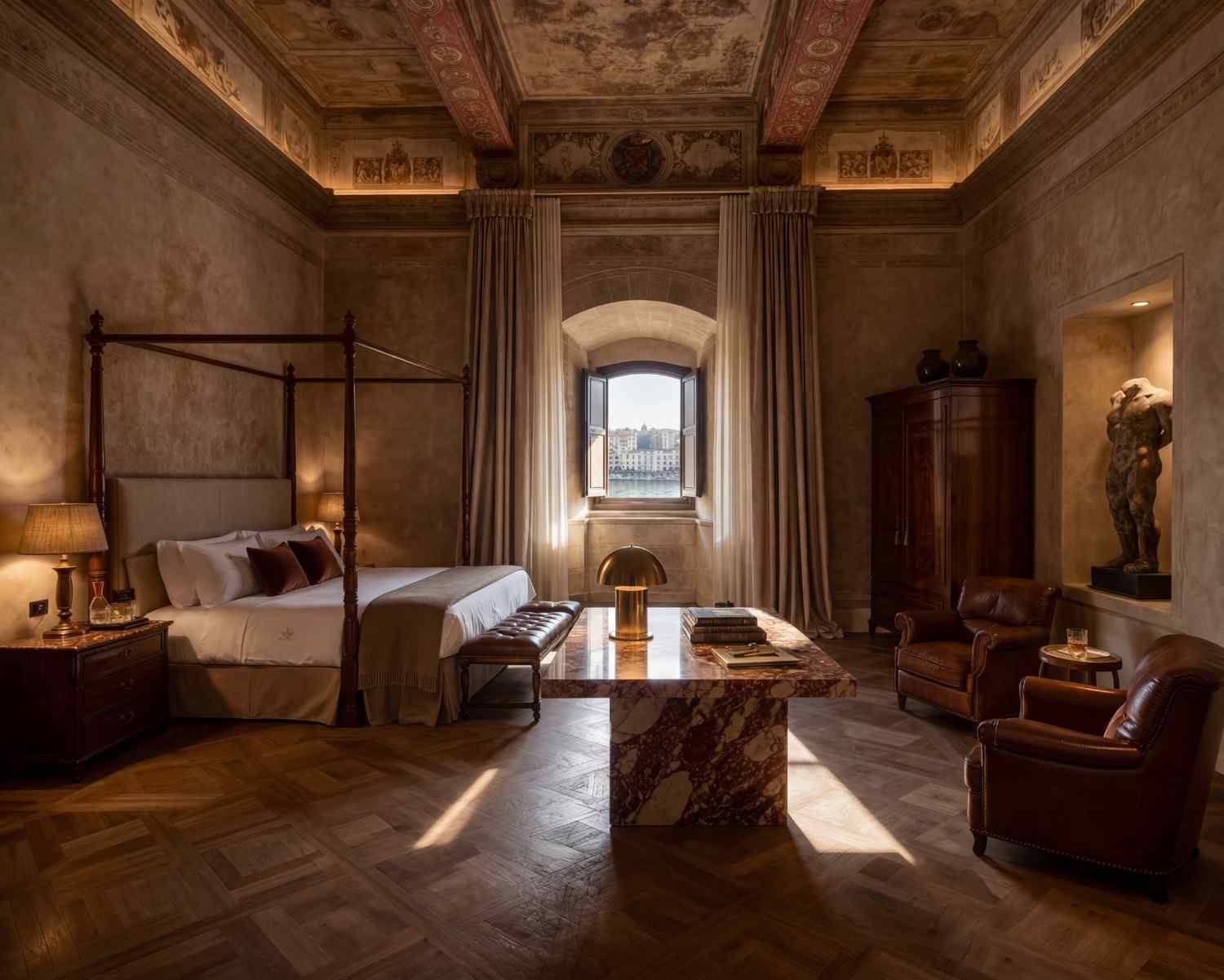
Rooms carved from limestone. Frescoed ceilings that have looked down on the same harbour since the sixteenth century. The suite is not a room inside a hotel. It is a chamber inside a city that is itself a monument.
blue hour.
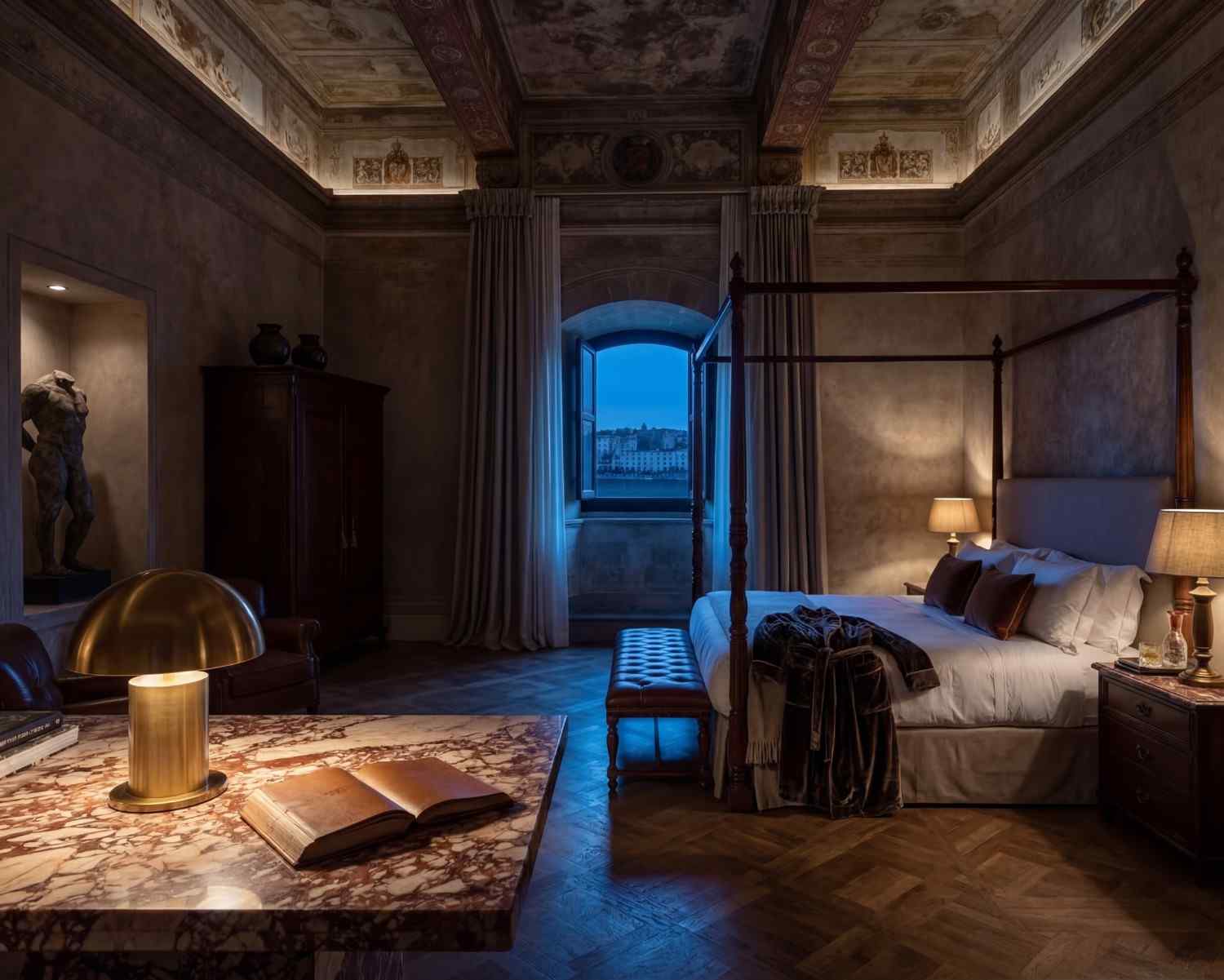
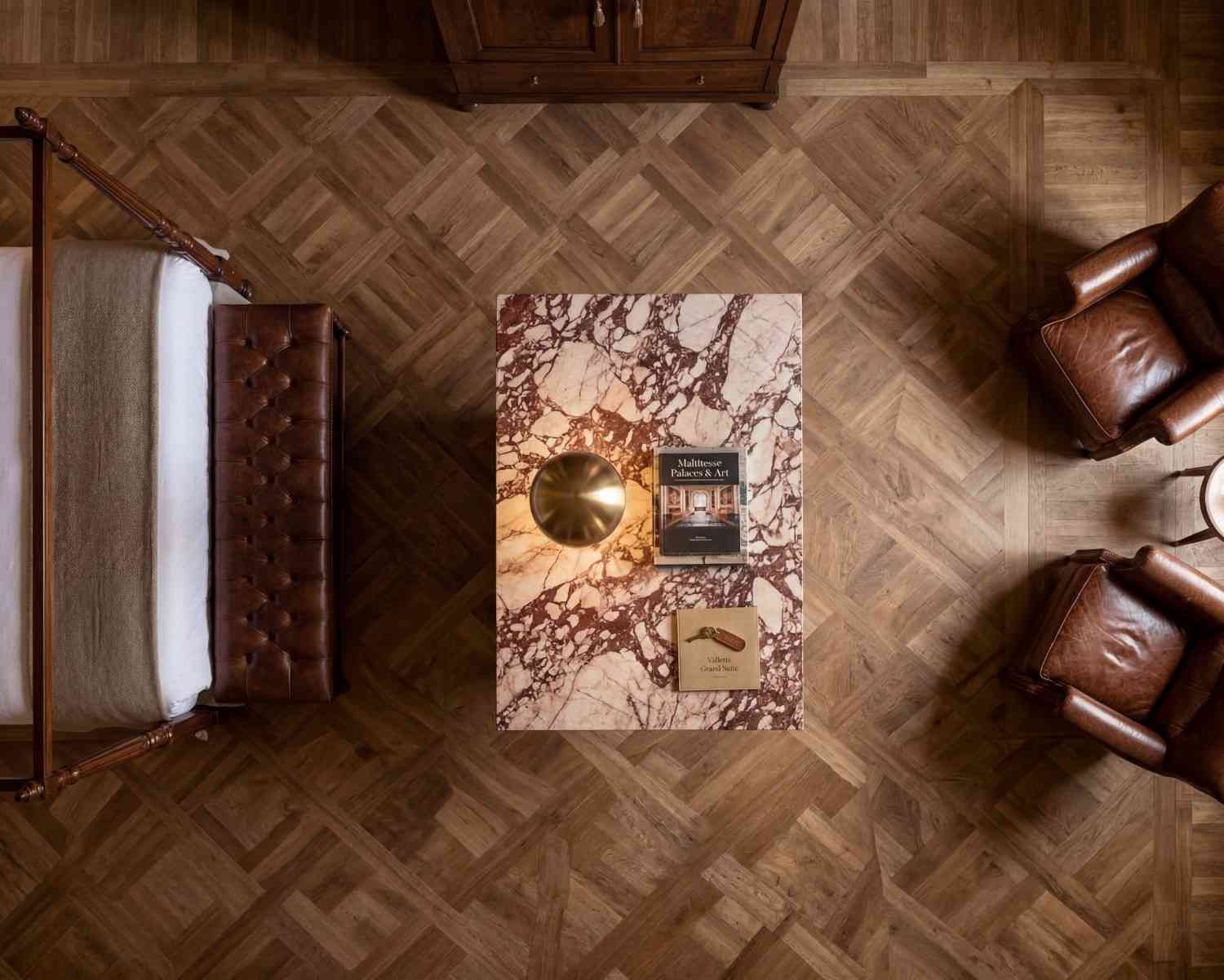
The city quietens. The harbour lights come on. A book open on the marble table. A glass of something slow. The suite at blue hour is the argument for everything the hotel is — not a performance, not a resort. A room that knows what city it is in.
the depth-seeking traveller.
Not chasing sun. Chasing depth. Arrives in October and leaves reluctantly in March. Has been to Florence. Has stayed at Aman Venice. Is done with resorts. Chooses destinations for architecture, atmosphere, and the quality of silence.
the cultural traveller.
Travels for architecture, history, and the feeling of being inside a place rather than looking at it. The kind of guest who walks the same street twice and notices something different the second time. Valletta was built for this person. The hotel is the right door into the city.
the returning guest.
Has been once and understood immediately that one visit is not enough. Returns because the city rewards return — it opens differently in winter than in autumn, differently in the morning than at dusk. Auberge is the hotel that makes return feel necessary rather than nostalgic.
florence. venice. dubrovnik. valletta.
Valletta belongs in this company — in historical weight, in architectural coherence, in the intensity of its identity. It is the least known of them at the ultra-luxury level. That is precisely why it remains the most significant unrealised opportunity in European hospitality.
closing
a return to the building's
original purpose.